

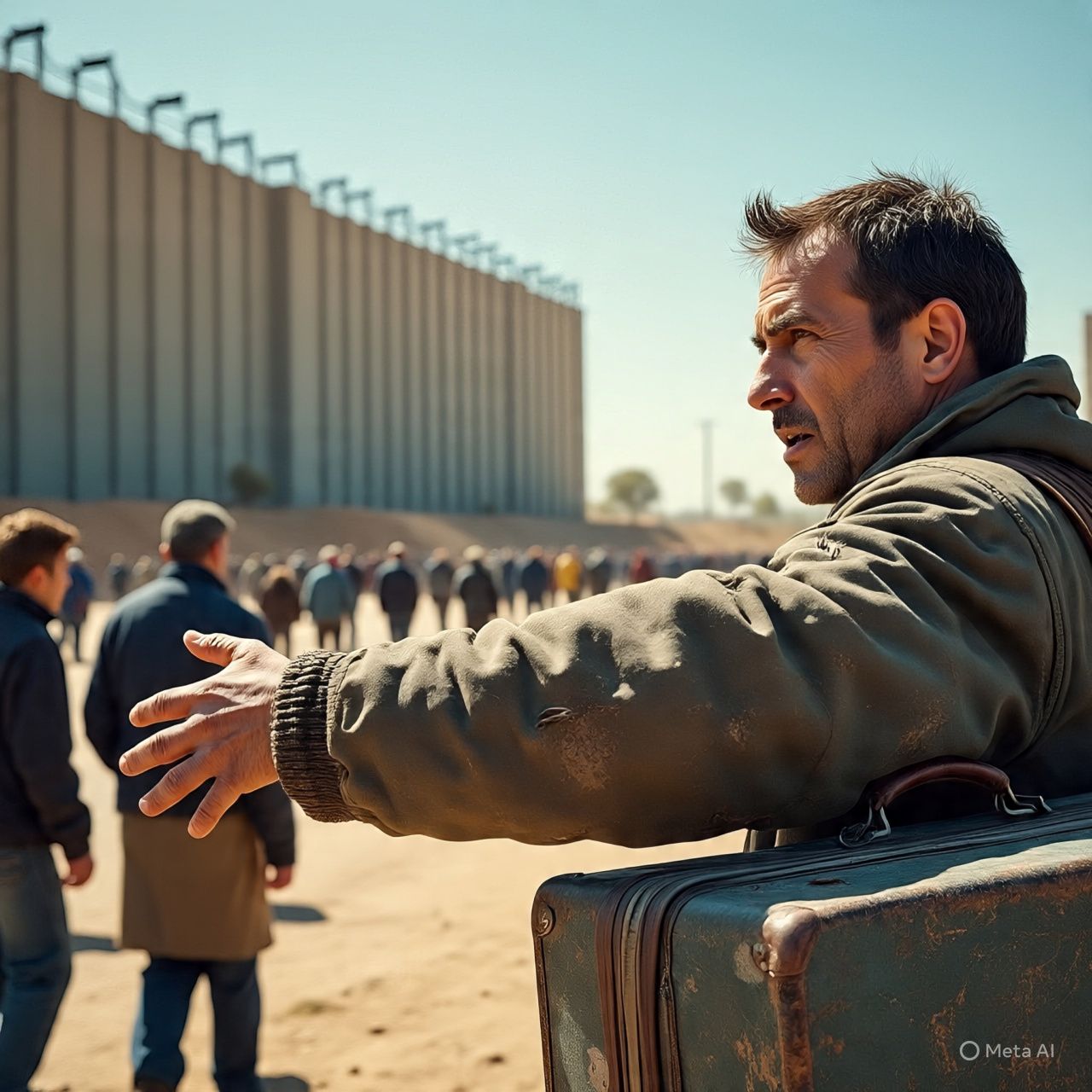
The Price of Crossing Borders
Carlos grew up in a quiet town in Nicaragua where everyone knew his name and history. Home was familiar. Language flowed easily. Identity was never questioned. When he decided to migrate, it was not because he wanted to leave his land of birth, but because staying had begun to feel like limitation rather than life.
He left Nicaragua with one suitcase and a heart full of expectation.
Migration promised opportunity, safety, and a chance to build something better. That was the story told at goodbye gatherings and echoed by relatives who had gone ahead. What no one fully explained was the cost that followed once the plane landed and reality settled in.
The first challenge Carlos faced was loneliness. In the new country, his language marked him as different. Simple conversations required effort. Humor no longer landed the same way. Food tasted unfamiliar. Weather felt harsh. At night, when work ended and the city quieted, homesickness arrived uninvited. He realized quickly that being around people did not mean belonging.
Then came identity shock.
Back in Nicaragua, Carlos was known. He was competent, capable, and respected. Abroad, he became invisible or suspiciously visible. His accent attracted judgment. His qualifications were questioned. Skills that mattered back home were suddenly discounted. He learned that migration often resets your worth in ways that feel deeply unfair.
Work became the next test.
Jobs were hard to secure. Applications disappeared into silence. Interviews ended politely with no follow-up. Eventually, Carlos accepted work far below his training. Survival demanded humility. Pride became something he set aside daily. He reminded himself that this was temporary, even when months stretched into years.
Financial pressure followed closely. Family back home assumed migration meant success. Requests for support came regularly. Saying no felt like betrayal. Saying yes added strain. Carlos carried the burden quietly, working longer hours, sharing accommodation, and hiding exhaustion behind reassuring messages.
Mental health took a toll.
Stress became constant. Anxiety followed visa deadlines, job insecurity, and fear of making mistakes in an unfamiliar system. Depression hid behind productivity. He functioned well enough to survive, but not enough to rest. Seeking help felt complicated. Cultural stigma and limited access made vulnerability feel risky.
Relationships also changed.
Some friendships back home faded with distance. New ones took time and emotional energy. Trust required explanation. Love felt complicated when his heart lived between two worlds. He belonged everywhere and nowhere at the same time.
Yet resilience grew alongside the struggle.
Carlos learned patience. He learned adaptability. He learned how to rebuild identity without erasing his roots. Small victories mattered. A steady job. A trusted friend. A moment when the new place felt less foreign.
Dr. David Rex Orgen shares this lived reality to remind readers that migration is not just a physical journey. It is emotional, psychological, and deeply human. The price is real, and the struggle is valid.
To migrants like Carlos, be gentle with yourself.
To families back home, extend understanding, not pressure.
To host communities, choose empathy over assumption.
Crossing borders should never cost dignity. When we acknowledge the unseen weight migrants carry, we create space for healing, belonging, and hope.
By Dr. David Rex Orgen, Best-Selling Author and International Mental Health Expert

Archives
Recent Posts

Amina’s Education Opens a Family Conversation

Jose’s Knock at the Door: Living With Uncertainty

Sani’s Lagos Promise and the Weight of Family Hope
Tags
+1 (614) 753-3925
info@inspiremindglobal.com