

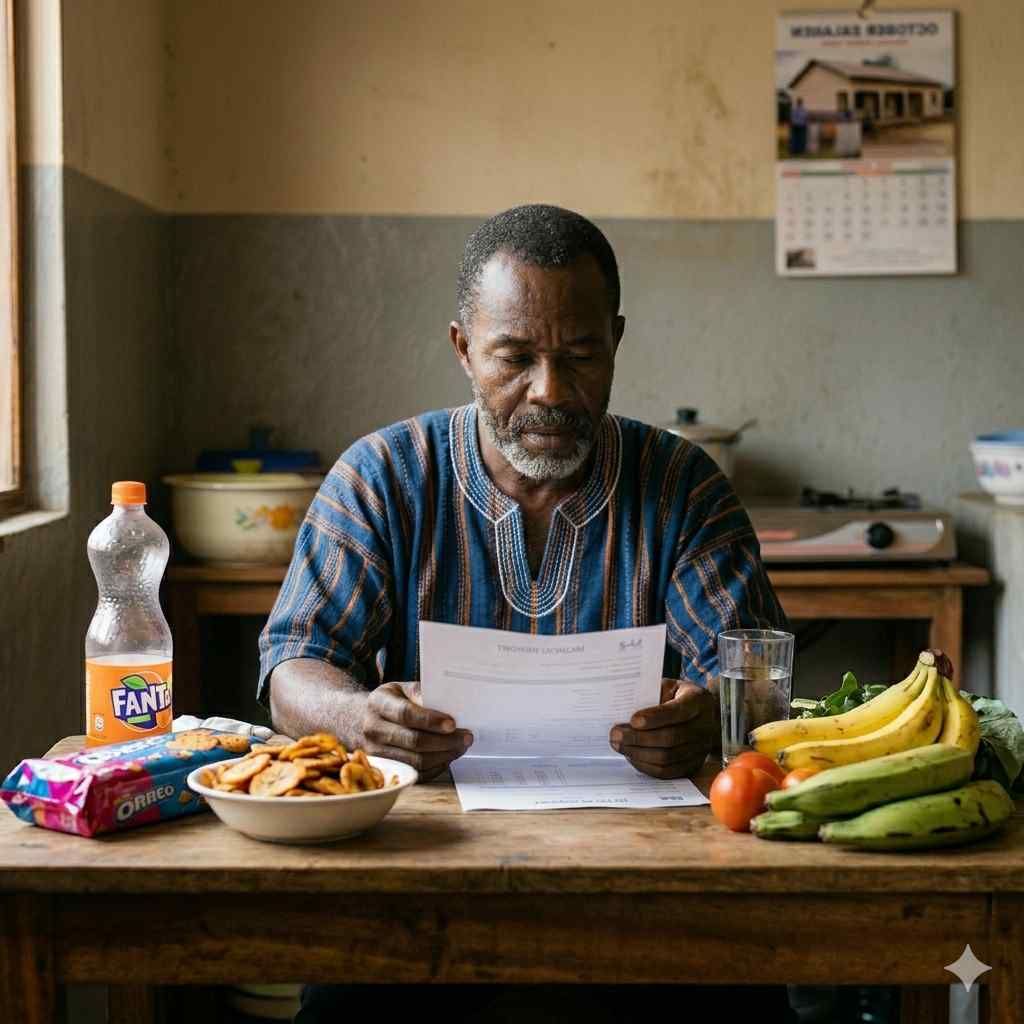
When Sugar Becomes a Silent Burden
It did not start with pain.
Kwame felt fine, or at least that is what he told himself.
He noticed small changes. He felt tired more often. He felt thirsty more than usual. But life moved fast, and he kept going. There were responsibilities to meet, people to support, and tasks that could not wait.
Until one day, he could no longer ignore it.
The diagnosis came with quiet clarity. Diabetes.
He sat still, trying to process the words. He felt strong. He was still active. He was working and providing. How could something be wrong?
The truth is simple. Strength does not always reflect internal health.
From a psychological and medical perspective, many people delay responding to their health until symptoms become serious. Early signs are often overlooked, minimized, or explained away. The body gives subtle warnings before conditions develop further.
Diabetes has become common in many communities, including among people of African descent. While genetics can play a role, lifestyle factors often have a strong influence. Diet, physical activity, stress levels, and daily habits all contribute over time.
Kwame’s lifestyle reflected patterns many people share.
He worked long hours with little rest. His meals were irregular, often based on convenience rather than balance. Foods high in sugar and starch became part of his routine because they were accessible and familiar. Physical activity was limited, and stress remained constant.
The diagnosis was not sudden.
It developed through repeated habits.
Walter Willett has emphasized that many chronic conditions relate closely to lifestyle choices. This insight highlights both a challenge and an opportunity.
Patterns that lead to illness can be changed.
For Kwame, the diagnosis became a turning point. It forced him to pause and reflect. He began to see that his health required attention, not assumption.
From a psychological standpoint, lasting change requires more than fear. It requires understanding, support, and consistent action. When the mind accepts the need for change, the body can begin to respond.
Kwame started making adjustments.
He paid attention to his eating habits. He reduced sugar intake and chose more balanced meals. He introduced simple physical activity into his routine. He created time to rest and began managing stress more intentionally.
Progress did not happen overnight. It developed step by step.
A Practical Approach to Managing and Preventing Diabetes
If you are at risk or currently managing diabetes, consider these steps:
- Schedule regular health checks and monitor your condition
- Reduce intake of sugar and highly processed foods
- Choose balanced meals with natural ingredients
- Stay active through daily movement
- Manage stress through rest and relaxation practices
- Seek professional guidance early
Nelson Mandela once reminded people that difficult challenges can be overcome with persistence. Managing health follows the same principle.
Diabetes is a serious condition, but it can be managed. In many cases, it can also be prevented through consistent lifestyle changes.
Your health reflects the choices you make over time.
Taking action today shapes your future.
If you need support in building healthier habits, managing stress, or adjusting your lifestyle, help is available.
Contact
InspireMind Global
Dr. David Rex Orgen
Phone: +1 614 753 3925
A better future begins with the decisions you make today.
By Dr. David Rex Orgen, Best-Selling Author and International Mental Health Expert

Recent Posts

The Untold Story in the Family Bloodline

When Parental Favoritism Divides Siblings

When Parents Compare Their Children
Tags
+1 (614) 753-3925
info@inspiremindglobal.com