

Why Human Connection Still Matters in Mental Health
Ethan believed he had found the answer.
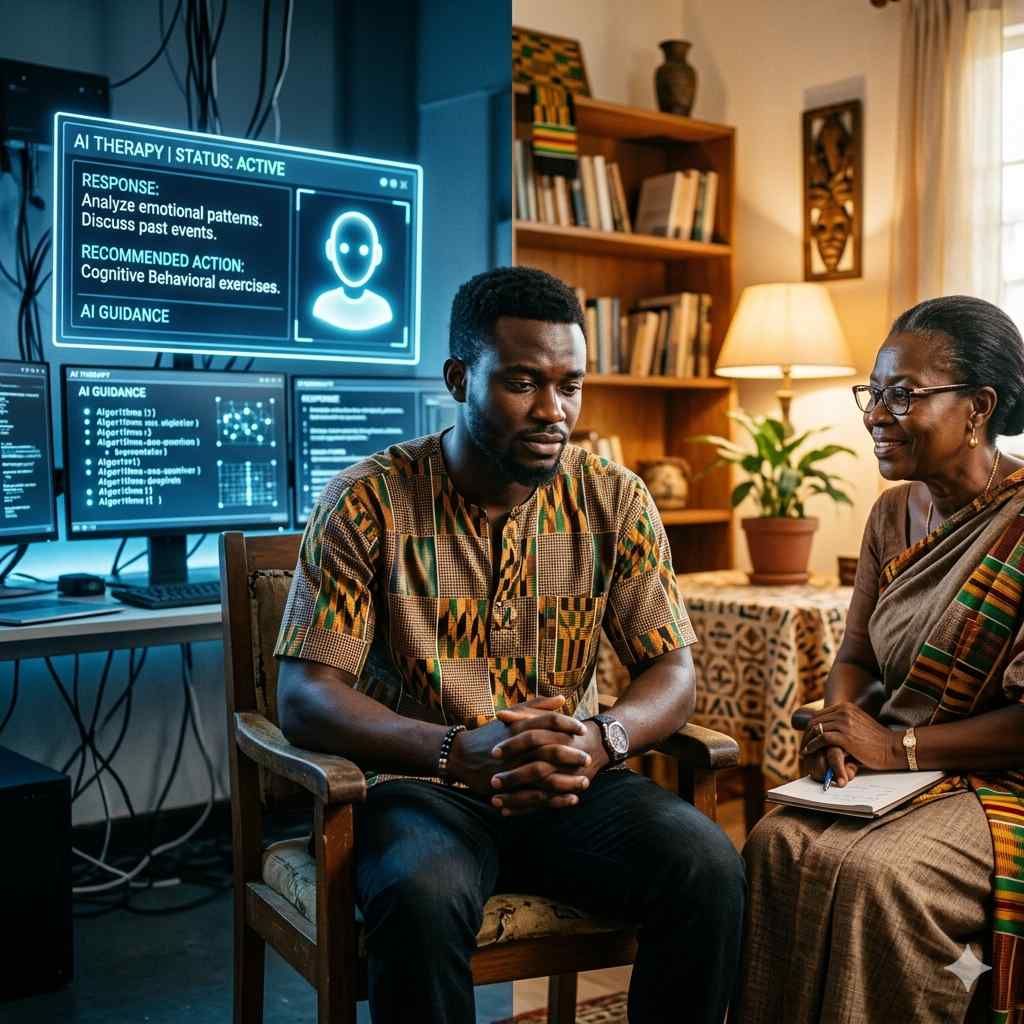
Living in Toronto, his days were filled with deadlines, meetings, and constant pressure. His schedule left little room for rest. When stress began to build, he turned to AI therapy tools. They were fast, accessible, and always available. There was no waiting, no appointments, and no fear of judgment.
At first, it worked.
He could type what he felt and receive structured responses. The tools offered techniques, guided reflections, and clear steps. Everything felt efficient and controlled. He felt safe expressing himself in that space.
But over time, something began to change.
The answers were accurate, but they felt distant. The support was present, but it did not feel personal. After long sessions, he noticed something he could not ignore.
He still felt empty.
From a psychological perspective, mental health support involves more than information. David Rex Orgen explains that while digital tools can assist with understanding thoughts and behaviors, they cannot fully replace emotional connection. The human mind does not only seek solutions. It seeks presence, understanding, and connection.
Ethan realized that he was processing information.
But he was not experiencing connection.
There is a difference.
Human interaction carries elements that go beyond words. A counselor listens not only to what is said, but how it is said. There are pauses, tone, empathy, and shared moments that create a sense of being understood. These elements help individuals feel seen in a deeper way.
David Rex Orgen emphasizes that healing often happens in environments where presence is felt. It is not only about receiving answers, but about experiencing genuine understanding.
Ethan decided to take a different step.
He reached out to a counselor.
At first, the experience felt unfamiliar. It was slower. Less structured than the digital tools he had used. There were no instant responses. But something began to shift.
For the first time in a long time, he felt understood.
He could speak openly and feel heard. His words were not simply processed. They were received. There was space for emotion, reflection, and connection.
That experience changed his perspective.
He realized that both approaches have value.
AI tools helped him organize his thoughts, identify patterns, and learn practical techniques. They provided structure and accessibility.
But human connection helped him process his emotions.
It allowed him to feel supported in a way that technology alone could not provide.
Today, Ethan still uses digital tools.
But he does not rely on them alone.
He understands that real healing requires more than information. It requires connection with another person who can listen, understand, and respond with empathy.
This reflects a broader reality.
Many people are turning to digital platforms for support. They read, type, and search for answers. Yet some still feel a gap that information cannot fill.
That gap is often connection.
A Balanced Approach to Mental Health Support
If you are using digital tools for support, consider this approach:
- Use technology to learn and organize your thoughts
- Recognize when you need deeper emotional support
- Seek human interaction when feelings remain unresolved
- Allow space for conversation, not only solutions
- Build connections with people who listen and understand
Technology can support your journey.
But it should not replace human connection.
Ethan’s experience shows that growth comes from combining both. Information guides you, but connection grounds you.
If you are feeling overwhelmed, disconnected, or in need of support, help is available.
Contact
InspireMind Global
Dr. David Rex Orgen
Phone: +1 614 753 3925
You do not have to rely on tools alone. Real support includes real connection.
By Dr. David Rex Orgen, Best-Selling Author and International Mental Health Expert

Archives
Recent Posts

When Winter Deepens the Loneliness of Migration

Amina’s Education Opens a Family Conversation

Jose’s Knock at the Door: Living With Uncertainty
Tags
+1 (614) 753-3925
info@inspiremindglobal.com