

Understanding the Emotional Reality of Stepchildren in Blended Families
Blended families often begin with hope. A fresh start. A second chance to build something meaningful. From the outside, they can look stable and complete.
But for many stepchildren, the experience feels different.
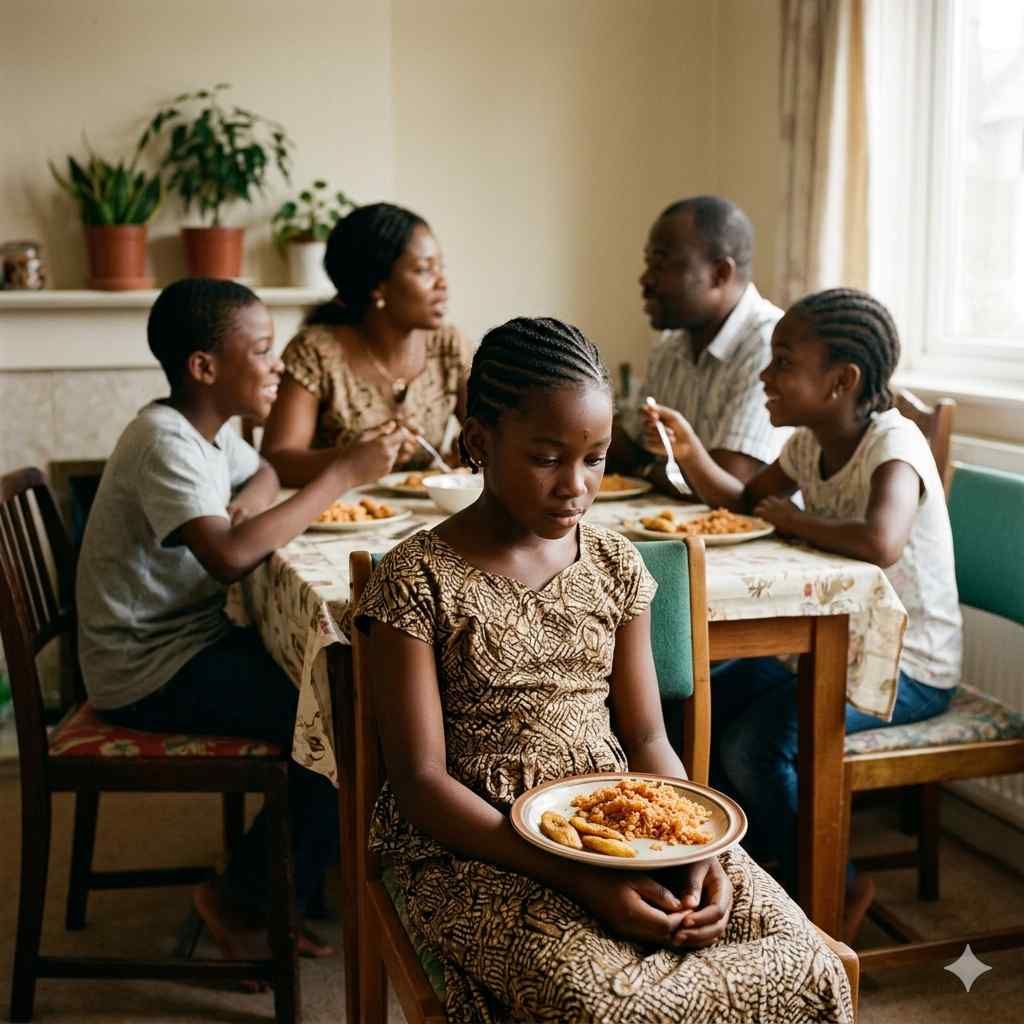
Martha, a young girl from Ghana, found herself in this situation after her father remarried. She entered a new home with the intention to adjust. She was respectful. She helped with chores. She stayed quiet to avoid conflict.
She did her best to fit in.
But something felt wrong.
When her step-siblings made mistakes, they were corrected with patience. When Martha made similar mistakes, the response changed. The tone became sharper. Less forgiving. At times, silence replaced communication.
The environment felt different for her.
Meals became uncomfortable. Conversations felt tense. Over time, she began to withdraw.
Then one day, she said something that revealed the depth of her experience.
“I don’t know how to be myself in this house.”
That statement reflects more than discomfort.
It reflects a loss of belonging.
Many stepchildren experience similar feelings. Not always through open conflict, but through subtle differences in treatment. A lack of warmth. Inconsistent responses. A sense of being tolerated rather than accepted.
These experiences shape how a child sees themselves.
From a psychological perspective, children need emotional safety to grow. Dr. David Rex Orgen explains that when a child feels less valued or less secure, it affects their confidence, behavior, and relationships.
Some children respond by withdrawing. They become quiet and distant. Others react with frustration or defiance. These reactions are not signs of bad behavior. They are signs of unmet emotional needs.
A child who feels like an outsider at home may begin to question their worth.
They may try to avoid mistakes at all costs. They may struggle to trust others. Over time, these patterns can carry into adulthood.
Maya Angelou once said that people remember how they are made to feel. For a child, those feelings often become part of their identity.
This is why awareness is important.
Blended families come with unique challenges. Adjustment takes time. Roles are not always clear. Emotions can be complex.
But children need more than structure.
They need consistency. They need fairness. They need to feel seen, heard, and accepted.
For stepparents, building trust requires intention. Speak with kindness. Be consistent in how you respond to all children. Create space for connection without pressure. Show through actions that the child matters.
For biological parents, remain attentive. Changes in behavior often reflect deeper emotions. Listen without judgment. Provide reassurance and support.
For stepchildren, especially those who relate to Martha’s story, one truth must remain clear.
Your value is not defined by how others treat you.
You are worthy of respect, care, and belonging.
And you do not have to carry these experiences alone.
Creating Healthier Blended Family Environments
Healthy blended families are built through effort and awareness. Consider these steps:
- Treat all children with fairness and consistency
- Create open communication where children feel safe to express themselves
- Avoid comparisons between biological and stepchildren
- Invest time in building individual relationships
- Recognize and validate the child’s emotions
- Seek guidance when challenges feel difficult to manage
These actions create stability and emotional safety.
Martha’s story is not isolated.
It reflects the experience of many children who are trying to find their place in a new environment.
A home should not feel like a space where a child must hide who they are.
It should be a place where they can grow, express themselves, and feel secure.
If you or someone you know is navigating challenges in a blended family, support is available.
Contact
InspireMind Global
Dr. David Rex Orgen
Phone: +1 614 753 3925
Every child deserves to feel at home, both in their environment and within themselves.
By Dr. David Rex Orgen, Best-Selling Author and International Mental Health Expert

Archives
Recent Posts

Amina’s Education Opens a Family Conversation
Jose’s Knock at the Door: Living With Uncertainty
Sani’s Lagos Promise and the Weight of Family Hope
Tags
+1 (614) 753-3925
info@inspiremindglobal.com