

“I Want My Own Child”:A True Lived Story from Alabama
From the outside, the small town in Alabama looked peaceful. Quiet streets. Familiar faces. Sunday church gatherings where everyone seemed connected and supportive.
But inside one home, Angela carried a pain few people truly understood.
She had been married for nearly twelve years. People described her as kind, dependable, and nurturing. She loved children deeply and spent much of her life caring for the children of relatives, neighbors, and church members. Whenever someone needed help with a child, Angela was often the first person they called.
Yet behind her smile was a private struggle that followed her every day.
She wanted a child of her own.
At first, she believed it would happen naturally with time. She and her husband planned, prayed, and hoped. Each month carried expectation. Each delay carried disappointment. Still, she remained hopeful.
But months became years.
Slowly, the emotional weight began to grow heavier.
Every pregnancy announcement became emotionally complicated. She smiled and congratulated others sincerely, but afterward she often cried in private. Baby showers became painful reminders of what she longed for. Mother’s Day services at church became emotionally exhausting. She would sometimes sit through the service holding back tears, only to break down quietly in her car before driving home.
The pain was no longer only physical.
It had become psychological.
Dr. David Rex Orgen explains that infertility often affects far more than reproductive health. It can deeply impact emotional stability, self-esteem, identity, relationships, and mental well-being. Many individuals begin internalizing the struggle and quietly blaming themselves, even when the medical causes are beyond their control.
Angela slowly changed emotionally.
She became withdrawn in social settings. Family gatherings became difficult because of the repeated questions.
“So when are you having children?”
“Any good news yet?”
“You just need to relax.”
Most people asked casually, unaware that each question reopened an emotional wound.
Her husband tried to support her, but the stress affected their relationship too. Conversations became tense. Small disagreements became emotional. Both were grieving differently, but neither fully knew how to express it.
At night, Angela often lay awake thinking about her future. She questioned herself constantly.
“Am I failing as a woman?”
“Did I do something wrong?”
“Why does this seem easy for everyone else?”
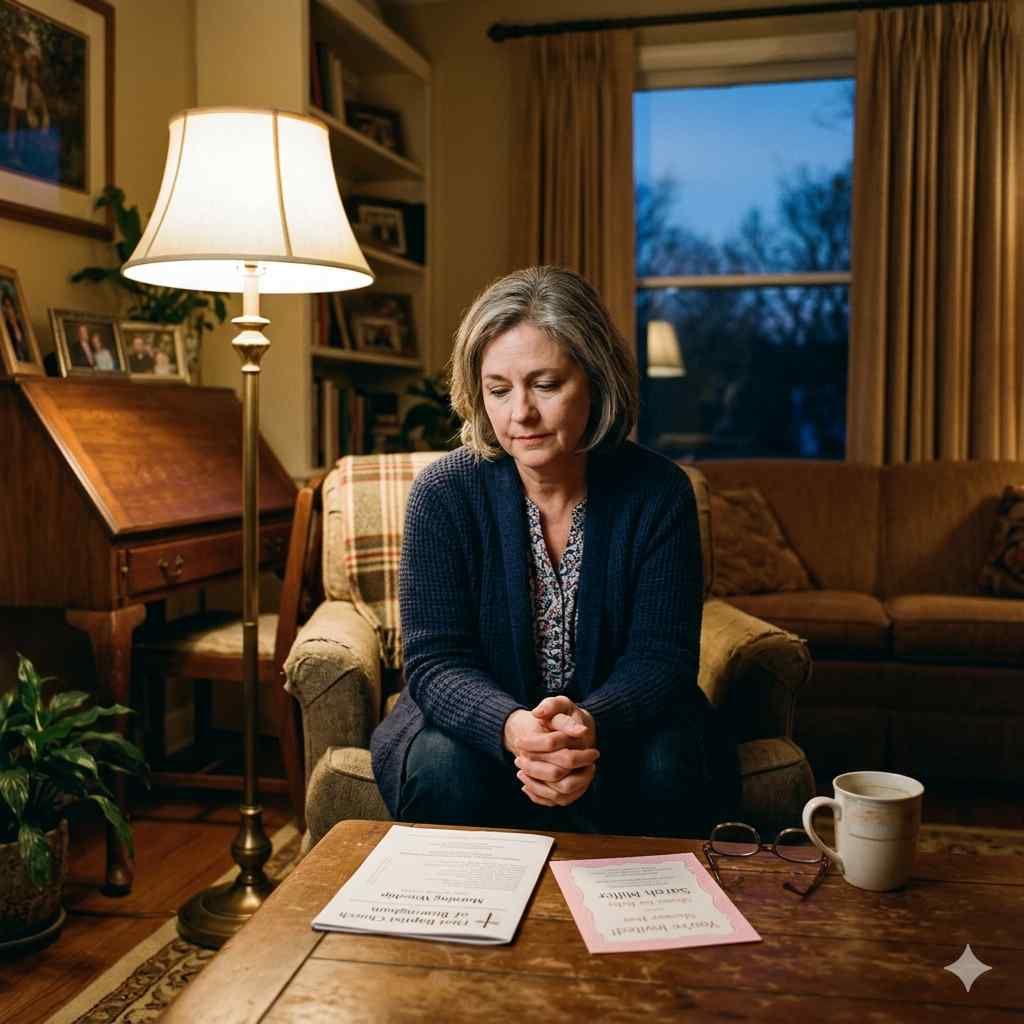
One evening, after another unsuccessful treatment, she sat quietly in the living room and finally said something she had carried inside for years.
“I feel incomplete.”
Those words revealed the depth of her emotional pain.
Many people facing infertility experience silent anxiety, depression, shame, grief, emotional exhaustion, and isolation. Some begin avoiding social environments entirely. Others struggle spiritually and emotionally, wondering whether they have been forgotten or left behind.
The emotional pressure becomes even heavier in communities where parenthood is strongly connected to identity, acceptance, and social value.
Psychologically, prolonged emotional pain without support often leads to hopelessness. A person may begin defining their worth by what they cannot control. Over time, this damages confidence, emotional health, and relationships.
But Angela’s healing began when she stopped suffering in silence.
For the first time, she allowed herself to speak openly about her pain. She sought counseling support. She gave herself permission to grieve honestly instead of pretending she was always okay.
That decision changed her life.
Through therapy and emotional support, Angela began rebuilding her sense of identity outside of infertility. She started understanding that her value was not limited to motherhood. She learned that pain deserved compassion, not shame.
Slowly, her emotional strength returned.
Not overnight.
Not perfectly.
But steadily.
She began reconnecting with herself, her marriage, and her purpose. She returned to activities she once enjoyed. She became emotionally present again. Most importantly, she stopped seeing herself as broken.
Years later, Angela began supporting other women facing similar struggles. What once felt like private suffering became a source of empathy and healing for others.
Her story reflects the reality many people carry silently.
Some people are smiling publicly while grieving privately.
Some people appear strong while emotionally exhausted inside.
And many are carrying pain nobody sees.
Infertility is not a sign of weakness. It is not proof that someone is less valuable, less complete, or less worthy of love. Emotional healing begins when people are given safe spaces to process their pain without judgment.
If you are struggling emotionally with infertility, grief, anxiety, emotional exhaustion, or identity challenges, know this clearly.
You are not alone.
Support matters. Healing matters. Your emotional well-being matters.
Through InspireMind Global and LifeBridge Services LLC, counseling and emotional wellness support are available to help individuals and families heal, grow, and move forward with hope.
Contact:
Dr. David Rex Orgen
Founder, InspireMind Global
LifeBridge Services LLC
5900 Roche Dr, Suite 435
Columbus, Ohio 43229
Tel: 614-753-3925
By Dr. David Rex Orgen, Best-Selling Author and International Mental Health Expert

Archives
- October 2026
- September 2026
- August 2026
- July 2026
- June 2026
- May 2026
- April 2026
- March 2026
- February 2026
- January 2026
- December 2025
- November 2025
- October 2025
- September 2025
- August 2025
- July 2025
- June 2025
- May 2025
- April 2025
- March 2025
- February 2025
- January 2025
- December 2024
- November 2024
- October 2024
Recent Posts

When Financial Pressure Silences a Father

Rebuilding Belonging After Retirement and Migration

When Every Call from Home Feels Like an Emergency
Tags
+1 (614) 753-3925
info@inspiremindglobal.com