

Why Grandmother Always Kept the Radio On
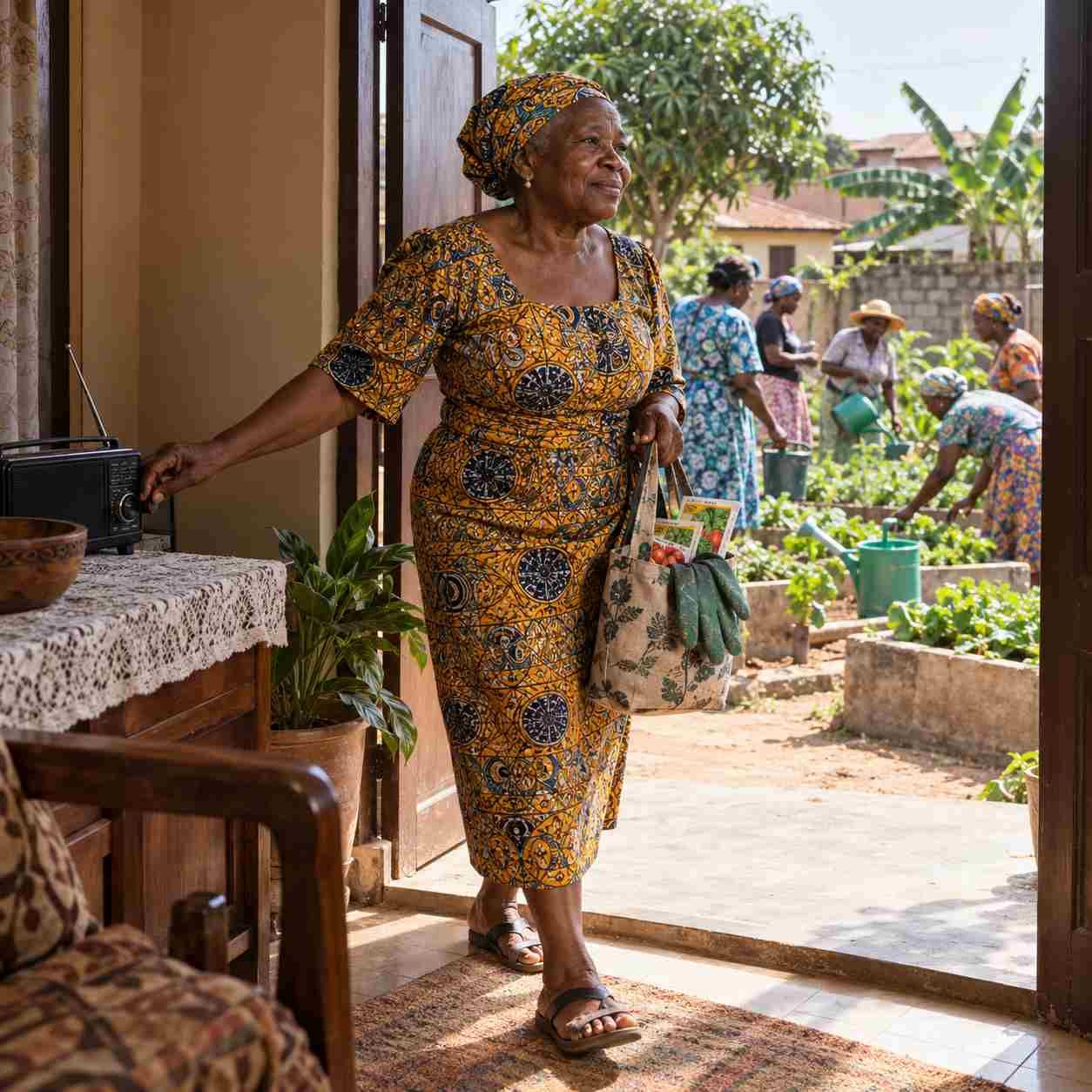
Every morning at seven, Mrs. Owusu switched on the radio in her Kumasi home.
She listened to the news while preparing breakfast, commented aloud during discussions and raised the volume whenever a familiar presenter came on air. To her children, the radio seemed like a favorite habit that had become part of her retirement routine.
Mrs. Owusu tended a small garden, attended worship when transportation was available and spoke with her adult children by telephone. From the outside, her life appeared settled and familiar.
Yet most weekdays passed without a visitor.
Her eldest son called regularly, often between meetings. Their conversations were warm but brief. He asked whether she had eaten and whether everything at home was fine. She reassured him that she was well.
Then she returned to the radio.
The Meaning Behind a Familiar Routine
One afternoon, Mrs. Owusu’s granddaughter came to visit. She noticed that the radio remained on even when her grandmother did not appear to be listening.
“Grandma, why don’t you turn it off?” she asked.
Mrs. Owusu smiled. “It makes the house sound less empty.”
Her answer surprised her granddaughter.
Mrs. Owusu was not asking her family to neglect their responsibilities or visit every day. What she missed was ordinary companionship: sharing a meal, offering her opinion or hearing the small details of someone else’s week.
Changes in mobility, work routines, friendships and family proximity can affect older adults in different ways. Many continue to enjoy active and fulfilling social lives. The important question is not simply whether someone lives alone or enjoys quiet activities. It is whether that person has the independence, connection and meaningful participation they want.
Asking Instead of Assuming
After learning how Mrs. Owusu truly felt, her family began discussing her preferences rather than making decisions on her behalf.
She wanted to reconnect with two former colleagues and attend a community program near her home. Her granddaughter taught her how to make video calls, while her son explored reliable transportation for the activities she chose.
A neighbor also invited her to join a small gardening group. Mrs. Owusu arrived with seeds and soon became the person everyone consulted about growing vegetables during the dry season. She was no longer simply receiving support; she was contributing knowledge that others valued.
A busy schedule alone cannot resolve every form of isolation. The quality of relationships matters, and practical barriers such as transportation, accessibility and finances must also be considered.
Families can begin by asking older relatives which people, activities and experiences they miss. Communities can create opportunities for older adults to participate and contribute instead of treating them only as people who need assistance.
When loneliness is accompanied by persistent emotional distress or changes in daily functioning, appropriate support may also be necessary.
Mrs. Owusu still switches on her radio every morning. But on Thursdays, she turns it off before leaving for the gardening group, carrying a small bag of seeds and plenty of opinions.
Growing older should not mean becoming invisible. Meaningful connection includes having opportunities to give as well as receive.
By Dr. David Rex Orgen, Best-Selling Author and International Mental Health Expert

Archives
- October 2026
- September 2026
- August 2026
- July 2026
- June 2026
- May 2026
- April 2026
- March 2026
- February 2026
- January 2026
- December 2025
- November 2025
- October 2025
- September 2025
- August 2025
- July 2025
- June 2025
- May 2025
- April 2025
- March 2025
- February 2025
- January 2025
- December 2024
- November 2024
- October 2024
Recent Posts

Why Grandmother Always Kept the Radio On

The Promotion Ruth Almost Refused

When Financial Pressure Silences a Father
Tags
+1 (614) 753-3925
info@inspiremindglobal.com