


Degrees Without Doors
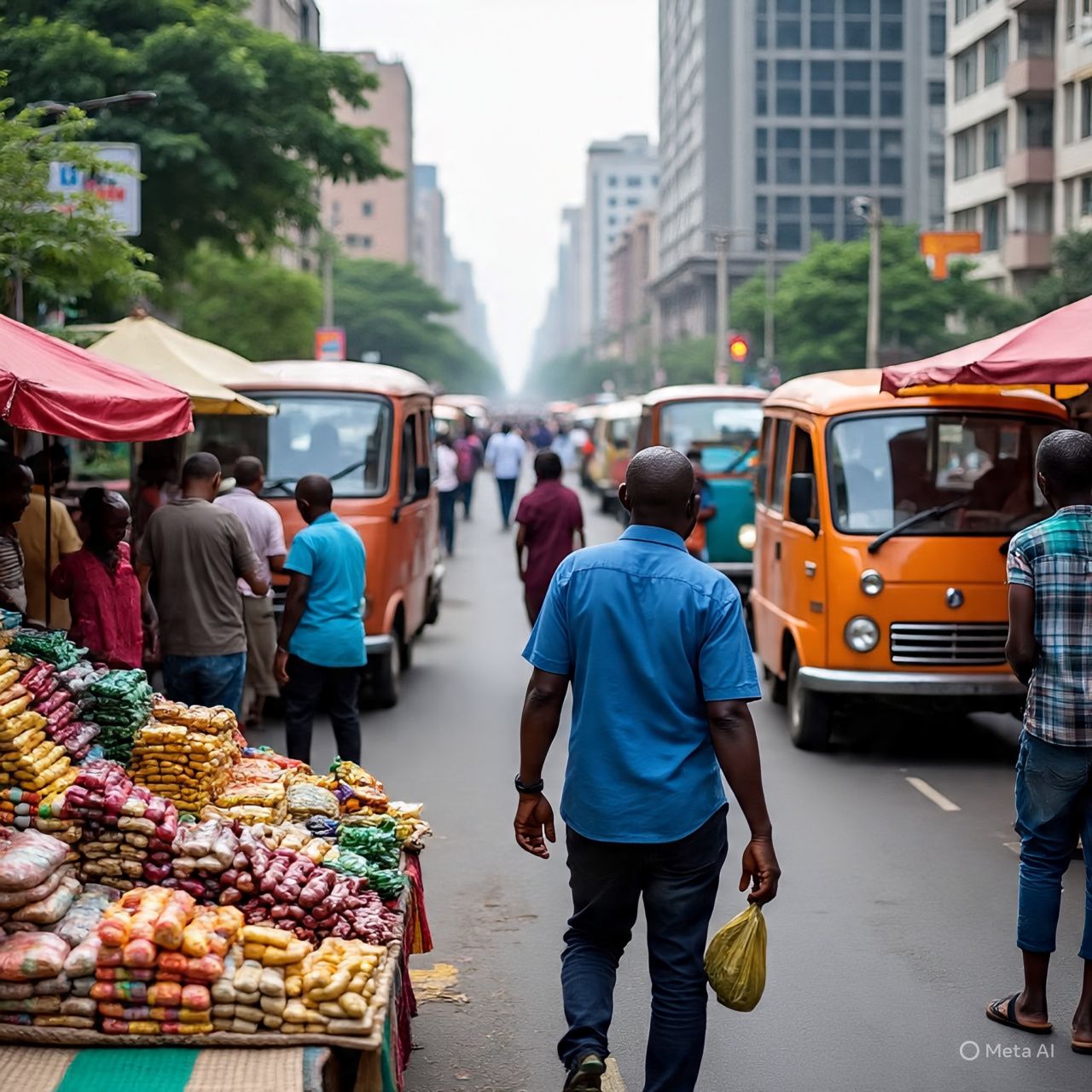
Every morning in Ghana, the streets fill with movement. Trotros honk. Vendors arrange their goods. Offices open their gates. And somewhere in a single room or a shared family house, thousands of young graduates wake up with degrees neatly folded in envelopes and hope carefully guarded in their hearts.
They did everything they were told to do.
They studied hard through power cuts and overcrowded lecture halls. They borrowed money for school fees. They walked long distances to lectures. They graduated with smiles, photos, and promises whispered into their ears: “Your future is bright.”
Months later, the brightness fades.
Ama holds a first-class degree but still wakes up to sell phone cards at a roadside kiosk. Kwame studied engineering and now spends his days repairing phones without certification. Yaw sends applications every week, printing CVs he can barely afford, only to receive silence in return. They are not lazy. They are not unqualified. They are simply waiting.
Unemployment in Ghana does not always look like idleness. It looks like talent without opportunity. It looks like ambition trapped in survival mode. It looks like young people waking up early with nowhere meaningful to go.
Families begin to ask hard questions. “When will you start work?” “What was the use of all that schooling?” The questions sting because the graduates are already asking themselves the same thing. Shame creeps in quietly. Confidence erodes slowly.
Mental health struggles rarely get named. Anxiety hides behind forced smiles. Depression disguises itself as “I’m fine.” Many young people stop attending gatherings because they cannot afford transport or explanations. They avoid classmates who now wear office ID cards and speak in timelines they cannot relate to.
Some begin to doubt their worth. Others feel like burdens in their own homes. A few take risks that compromise their values just to survive. Not because they want to, but because waiting feels unbearable.
The system does not prepare them for this silence after graduation.
In today’s Ghana, opportunities are often tied to connections, not competence. Internships go unpaid. Entry-level jobs require years of experience. Interviews end with promises that never materialize. The result is a generation educated but underutilized.
Yet, these young people are not broken.
They are resilient. They learn new skills online. They start small businesses with borrowed capital. They volunteer, hoping experience will open doors. They hold onto faith, even when faith feels stretched.
Dr. David Rex Orgen writes this not as a distant observer, but as a witness to a growing crisis. Youth unemployment is not just an economic issue. It is a mental health issue. A social issue. A national issue.
A country cannot ignore the emotional weight carried by its educated youth.
Degrees should open doors, not deepen despair.
Hope should be nurtured, not delayed indefinitely.
Until opportunity meets preparation, Ghana’s graduates will continue waiting. Not because they lack ability, but because the system has not caught up with their potential.
By Dr. David Rex Orgen, Best-Selling Author and International Mental Health Expert

Recent Posts

Faith in the Midst of Life: Why Religion Remains Strong in African Communities

A Mother’s Quiet Strength: A Story from Uganda

When a Young Graduate Faces the Weight of Unemployment
Tags
+1 (614) 753-3925
info@inspiremindglobal.com
