


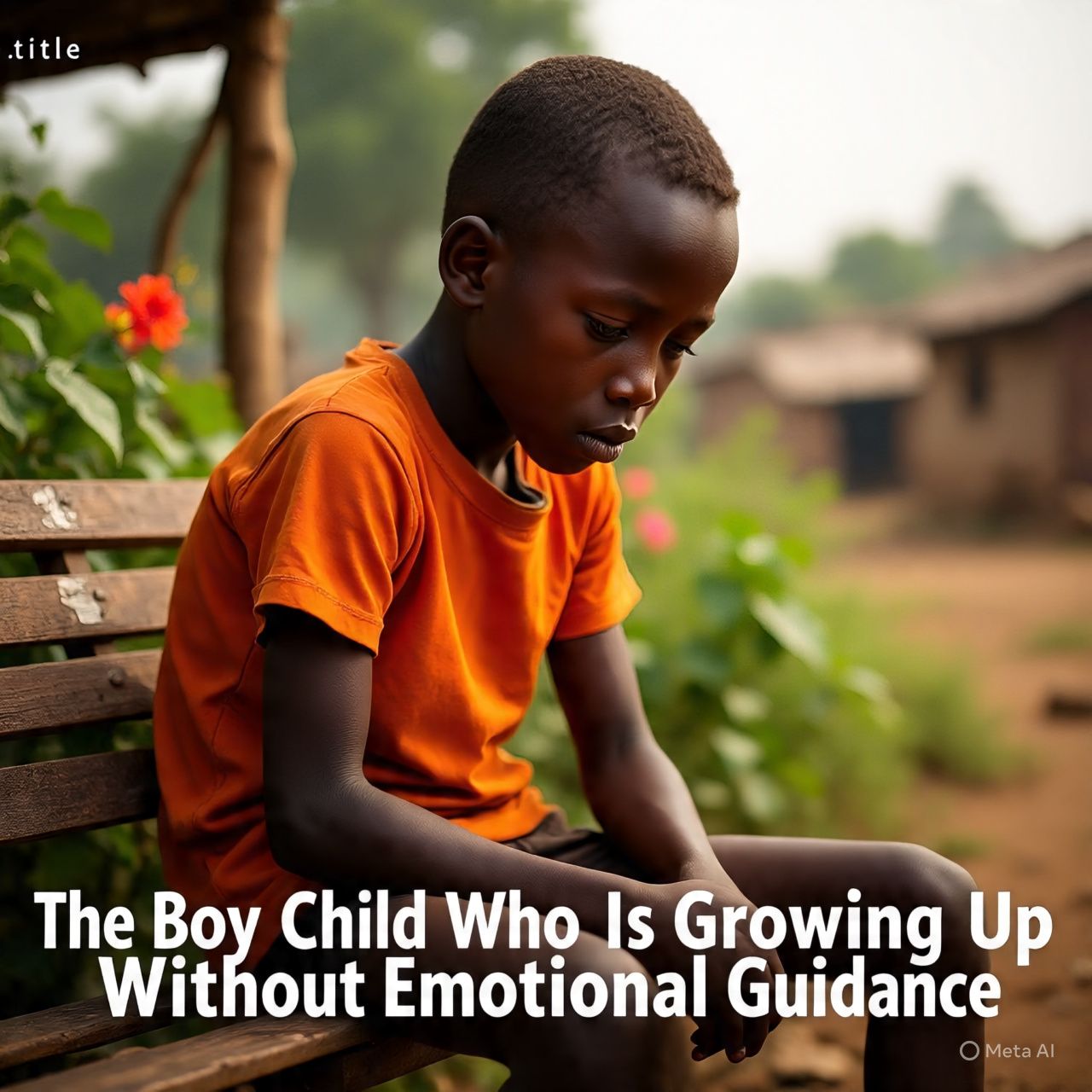
The Boy Child Who Is Growing Up Without Emotional Guidance
Across many communities in Africa, an important conversation is beginning to emerge about the emotional development of boys. While significant progress has rightly been made in empowering girls through education and leadership opportunities, there is also a growing concern that many boys are quietly struggling without the emotional support and guidance they need.
Through years of counseling, youth mentorship, and community engagement, Dr. David Rex Orgen has observed that many young boys and men carry emotional confusion, anger, and insecurity that often began in childhood. These struggles are rarely discussed openly, yet their effects are visible in families, schools, and communities.
In cities like Accra, Kumasi, and Lagos, many boys grow up in environments where they are expected to be strong, independent, and emotionally silent. From an early age, they are often told that expressing vulnerability is a weakness. Statements such as “boys don’t cry” or “be a man” are repeated without recognizing the psychological weight these messages can carry over time.
When boys are not taught how to understand and manage their emotions, they often grow into men who struggle to communicate their feelings, build healthy relationships, or cope with stress in constructive ways.
Some boys react to emotional neglect with anger and aggression. Others withdraw and become quiet and isolated. Many carry their struggles internally, believing that asking for help would make them appear weak.
What the boy child needs most is not only discipline or academic achievement. He needs mentorship, emotional education, and positive role models who demonstrate what healthy masculinity truly looks like.
One of the challenges in many African communities is the growing absence of consistent fatherly mentorship in some homes. In other situations, fathers may be physically present but emotionally distant because of work pressures, cultural expectations, or communication barriers shaped by previous generations.
When boys lack emotional guidance at home, they often turn to peers, social media, or unhealthy influences to shape their identity.
The solution begins with intentional mentorship. Schools, churches, families, and community organizations must begin creating safe spaces where boys can speak openly about their fears, dreams, and struggles without shame.
Fathers in particular play a critical role. A simple conversation, encouragement, or shared moment of guidance can shape a young boy’s confidence for life.
The future of families and communities will largely depend on the emotional health of the men they raise today. When boys grow up with emotional stability, wisdom, and strong values, they become men who lead with responsibility, compassion, and integrity.
A Call to Action
Parents, educators, faith leaders, and policymakers across Africa and the diaspora must begin prioritizing mentorship and mental health support for boys. Strengthening the emotional foundation of the boy child today can prevent many social challenges tomorrow.
Organizations and institutions interested in youth mentorship, mental health education, and boy-child advocacy are invited to collaborate with InspireMind Global.For counseling services, speaking engagements, workshops, or partnerships, contact: Dr. David Rex Orgen, Best-Selling Author | International Mental Health Expert , Founder & President, InspireMind Global
Phone: +1 (614) 753-3925 | Website: www.inspiremindglobal.com
A healthy society begins by raising emotionally healthy boys who grow into responsible and compassionate men. Keep the faith and share the hope.

Recent Posts

The Boy Child Who Is Growing Up Without Emotional Guidance

The News That Stole Their Joy

Serving Others While You Are Still Becoming
Tags
+1 (614) 753-3925
info@inspiremindglobal.com
