


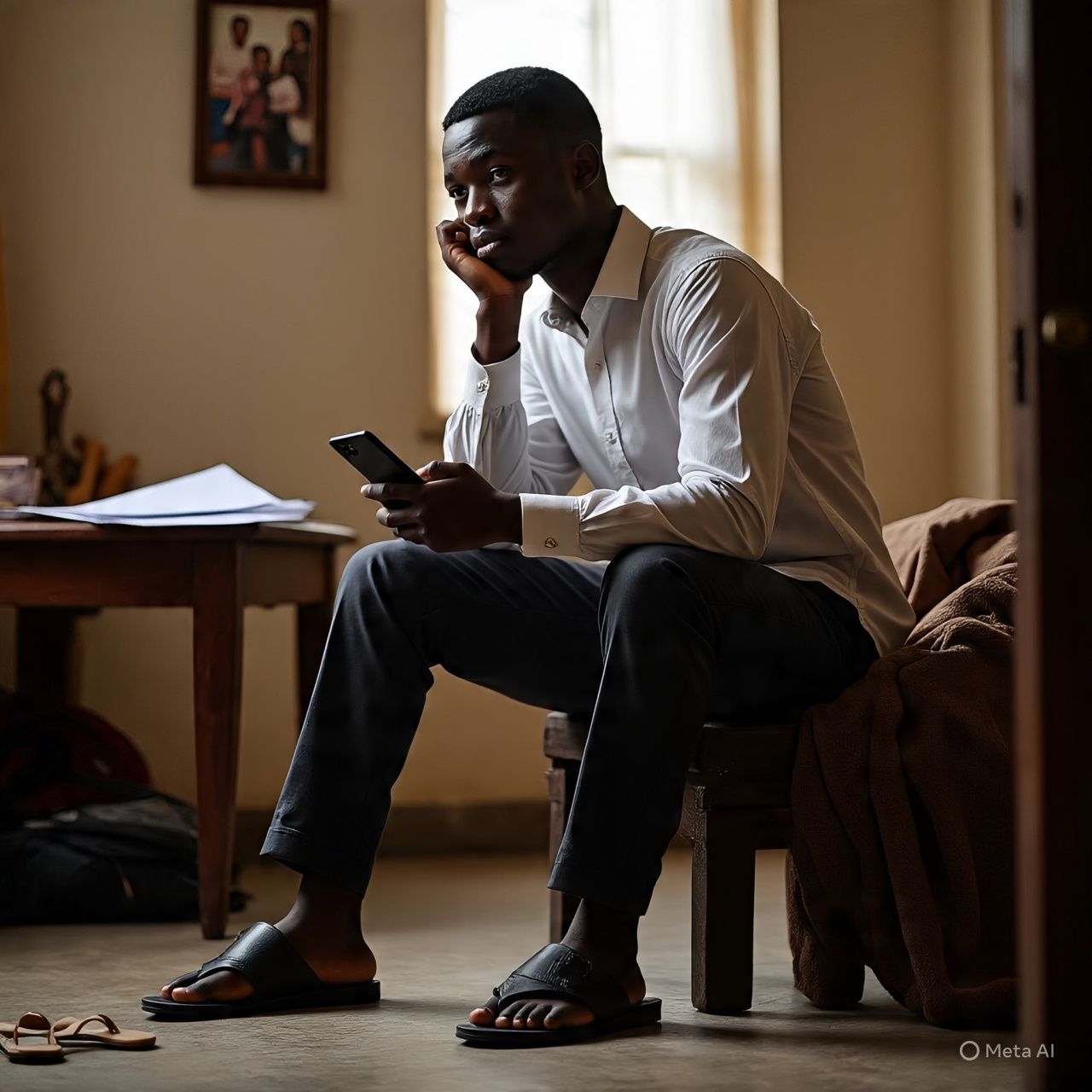
When a Young Graduate Faces the Weight of Unemployment
In many African countries today, one of the quiet emotional battles young people face is the struggle between education and opportunity. Every year, thousands of graduates leave universities with hope in their hearts and dreams for the future. Their families celebrate their achievements, believing that education will open the door to stability and success.
But for many young Africans, the journey after graduation is not always what they expected.
A young man named Kojo completed his university studies with pride. His parents had sacrificed greatly to support his education. On graduation day, his family gathered with joy, taking photos and thanking God for what they believed was the beginning of a brighter future. Kojo believed the same.
In cities such as Accra, Lagos, and Abidjan, stories like Kojo’s are very common. Young people complete their studies with determination, believing that their education will lead them into meaningful careers.
But months passed after graduation, and Kojo could not find stable employment.
At first, he remained optimistic. He continued submitting applications, attending interviews, and searching for opportunities. However, as the months slowly turned into years, the pressure began to grow.
Family members began asking questions.
Friends started building careers. Social media showed images of success, promotions, and new achievements. Kojo celebrated his friends publicly, yet privately he struggled with disappointment and growing self-doubt. Unemployment does not only affect finances. It often affects identity.
Many young graduates begin to question their worth when they cannot find work that reflects their education and potential. They may feel they have disappointed their families or wasted years of effort.
Some withdraw from social activities. Others begin to lose confidence in their abilities. In certain cases, emotional stress can lead to depression or unhealthy coping behaviors.
The South African leader Nelson Mandela once said, “Education is the most powerful weapon which you can use to change the world.” His words remain true. Education still holds great power. However, young people also need guidance, mentorship, and emotional resilience while navigating the difficult seasons that sometimes follow graduation.
Kojo’s story is not simply about unemployment. It is a reminder that young people need encouragement, practical support, and patience as they build their futures. Many who struggle in the early years eventually discover new paths, develop entrepreneurial ideas, or grow through unexpected opportunities.
A Call to Action
Families, governments, educational institutions, and community leaders must recognize the emotional and psychological impact unemployment can have on young people. Encouraging mentorship, entrepreneurship, and mental health support can help graduates navigate these challenging seasons with hope and confidence. Through InspireMind Global, Dr. David Rex Orgen continues to advocate for youth mentorship, emotional resilience, and mental health awareness across Africa and the diaspora.
For counseling services, speaking engagements, workshops, or partnerships, contact:
Dr. David Rex Orgen, Best-Selling Author | International Mental Health Expert Founder and President, InspireMind Global
Phone: +1 (614) 753-3925 | Website: www.inspiremindglobal.com
Behind many successful stories is a season of struggle that few people see. With guidance, patience, and resilience, young people can transform those seasons into foundations for a stronger future. Keep the faith and share the hope.

Recent Posts

When a Young Graduate Faces the Weight of Unemployment

The Mental Cost of Chasing Opportunity Abroad

The Hidden Anxiety Behind African Success Stories
Tags
+1 (614) 753-3925
info@inspiremindglobal.com
