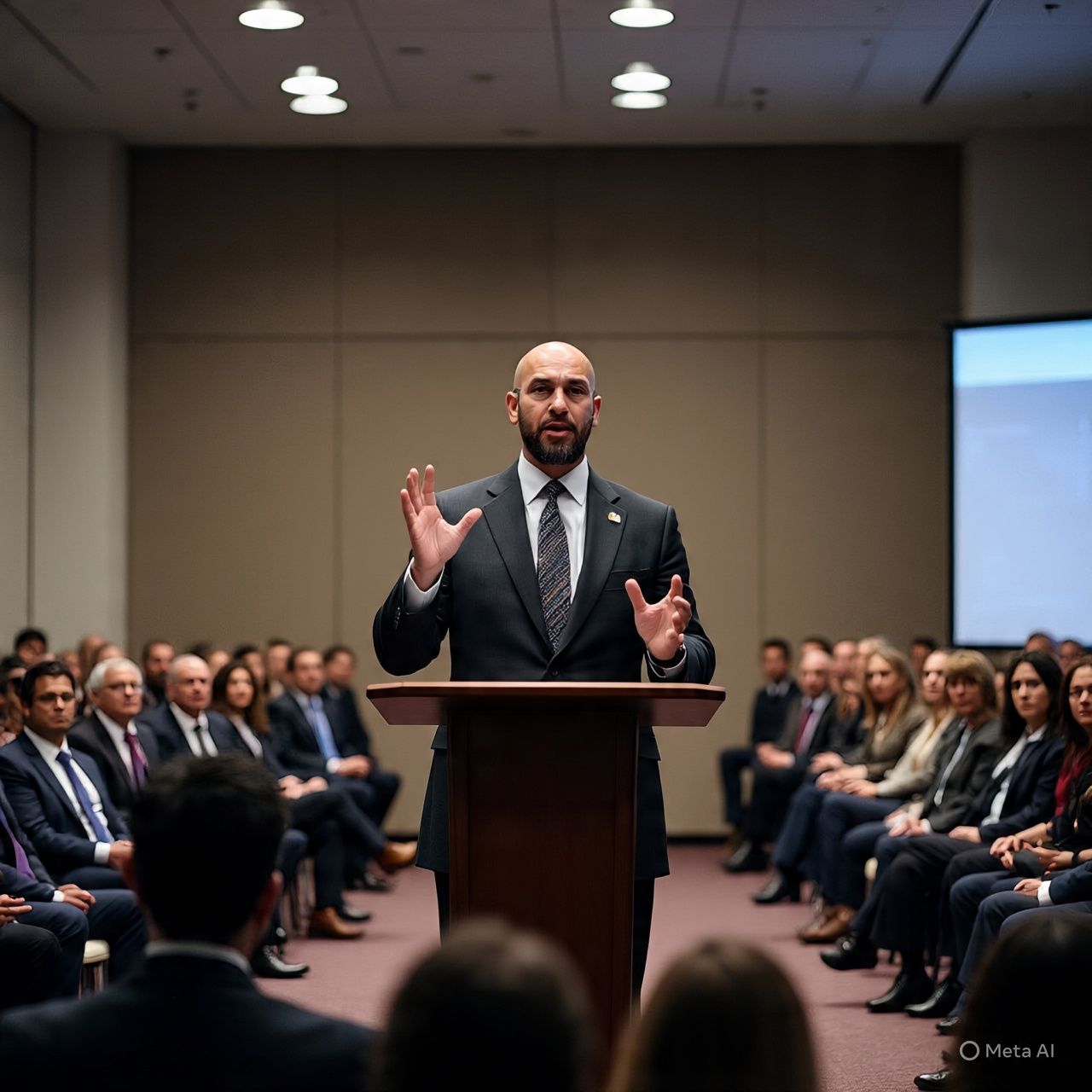
I will call him Michael. Not because that is his real name, but because dignity matters. Stories can heal, and they must also protect. Michael is the kind of man communities depend on.
At work, he is the reliable one. At home, he is the stable one. In church, he is the available one. If something breaks, call Michael. If confusion rises, Michael will calm it. If responsibility is heavy, place it on his shoulders.
For years, he carried that reputation with quiet pride.
But strength, when it is never allowed to rest, slowly turns into loneliness.
The afternoon he came to see me, he did not sit like the man everyone described. His back curved forward. His eyes were tired in a way that told the truth long before his mouth did.
I asked him a simple question.
“How are you, really?”
He tried to answer professionally at first. He spoke about schedules, commitments, people who needed him. Then his voice slowed. His hands tightened. Silence entered the room.
And then it came.
“I am exhausted,” he said.
“I am tired of being the strong one.”
There was no drama in it. Just honesty.
As a mental health professional, I recognized what was happening. Years of emotional labor had accumulated without release. Michael had become a container for everyone else’s fears, expectations, and disappointments. But containers leak when they are never emptied.
His body had begun to protest. Sleep was short. Patience was thinner. Joy had become memory instead of experience.
What broke my heart most was this.
He believed he had no permission to feel this way.
Somewhere along the journey, he learned a dangerous equation.
If people depend on you, you must never need anyone.
But that is not strength.
That is isolation wearing a suit.
As Carl Rogers reminded us, what is most personal is most universal. When Michael spoke, he gave voice to fathers, mothers, pastors, professionals, and young leaders across United States, Ghana, and many nations who are quietly reaching the edge of their capacity.
The moment he allowed the truth into the room, something sacred happened.
He exhaled.
Not loudly.
But deeply.
Performance left. Humanity arrived.
In the work I often describe through the lens of Echo Legacy, this is the responsibility. Not visibility. Not applause. Responsibility means we stand in the gap between suffering and understanding. We help people find language for pain so they can find pathways to healing.
Maya Angelou wrote that there is no greater agony than bearing an untold story inside you. Michael had carried his for years. When he finally spoke, the agony began to loosen its grip.
He did not become weak in that moment.
He became reachable.
And reachable people can be helped.
If You Recognize Yourself Here
Start gently.
Tell the truth to someone safe.
Let support interrupt your isolation.
Share responsibility earlier.
Remember that people can admire you and still care for you.
You are allowed to be strong and supported at the same time.
That is how legacies of healing are built.
Written by Dr. David Rex Orgen, Best-Selling Author and International Mental Health Expert