

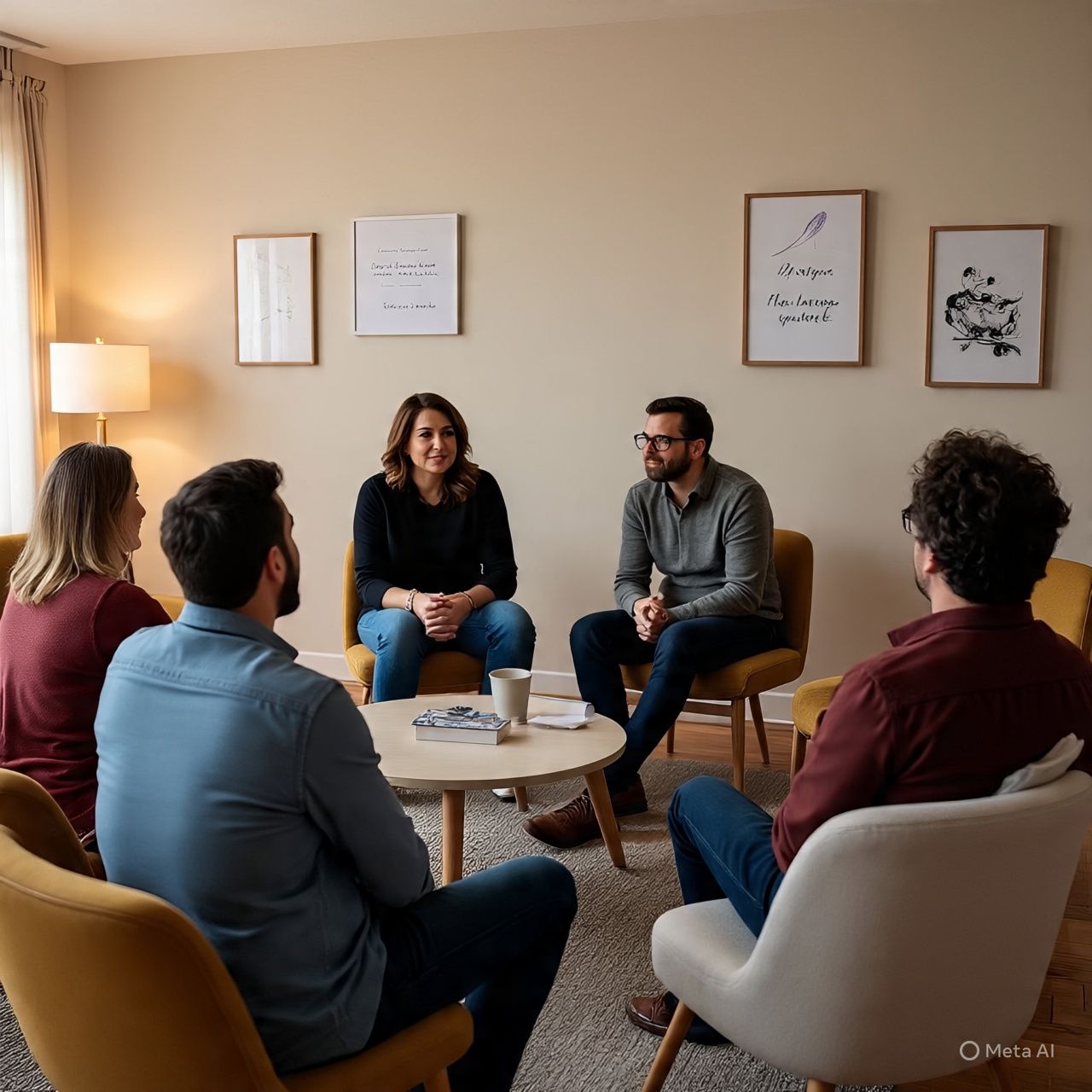
Why Leaders Need Safe Spaces Too
From the outside, leadership often looks powerful. People see confidence, direction, decisions, visibility. They watch someone stand in front of rooms, carry vision, solve problems, and hold responsibility for many lives at once. Leaders become symbols of strength.
But symbols can become cages.
Behind the scenes, many leaders live with a quiet fear. If people truly knew how heavy this feels sometimes, would they still trust me? If I admitted uncertainty, would confidence disappear?
So they learn to keep parts of themselves hidden.
They speak courage publicly while negotiating doubt privately. They encourage others to rest while they continue past their own limits. They become experts at appearing steady.
What few recognize is the psychological cost of being the emotional anchor for everyone else.
In therapeutic language, leaders often occupy what is called a high holding environment. Many people lean on them, but they have very few places to lean in return. Support flows outward. Rarely inward.
Over time, isolation grows.
As Carl Jung warned, the greatest burden a child must bear is the unlived life of the parent. In similar fashion, communities can unknowingly place impossible emotional expectations on those who lead them. They expect clarity without confusion, strength without fatigue, faith without struggle.
But leaders are human before they are heroic.
And humanity requires spaces of safety.
In the counseling conversations that often intersect with leadership care, a breakthrough frequently occurs when someone in authority finally admits, “I am carrying more than people know.”
The room usually does not fall apart.
It becomes more honest.
Because authenticity creates connection. When leaders speak truth in healthy, appropriate ways, it gives others permission to be real too. Trust deepens. Culture strengthens. Teams grow more resilient.
The myth of the invincible leader begins to dissolve.
What replaces it is something far more sustainable.
Shared responsibility.
Brené Brown has written that vulnerability is the birthplace of courage. For leaders, courage may not always mean standing taller. Sometimes it means sitting in a safe room and allowing someone else to understand the weight.
That understanding can prevent burnout.
It can interrupt loneliness.
It can restore perspective.
A leader who has a place to be supported can return to their role renewed instead of depleted.
This is not indulgence.
It is maintenance of the soul.
In the Echo Legacy understanding of responsibility, creating safe spaces for leaders is not optional. It is essential. Healthy leadership multiplies health in families, churches, organizations, and communities.
When leaders are cared for, everyone benefits.
If You Carry Leadership Weight
Find a place where you are not the answer.
Speak honestly with someone trained or trustworthy.
Let strength include receiving.
Remember that authority does not cancel humanity.
You can guide others and still need guidance.
That is not weakness.
It is wisdom.
Written by Dr. David Rex Orgen, Best-Selling Author and International Mental Health Expert

Recent Posts

Why Leaders Need Safe Spaces Too

The Night She Admitted She Was Not Fine

When Being Needed Becomes Too Heavy
Tags
+1 (614) 753-3925
info@inspiremindglobal.com