
From a distance, they look admirable. They wake early. They keep promises. They return calls, meet deadlines, raise children, support relatives, volunteer in church, and remain calm in moments that overwhelm everyone else. When problems arise, they are the steady ones. When confusion spreads, they are the voice of reason.
Ask people about them and you hear the same words repeated.
Strong. Reliable. Faithful. Inspiring.
Yet beneath that public strength, another story is often unfolding.
Many of the strongest people you know are tired in ways sleep cannot repair.
Across communities in United States, Ghana, and throughout Africa and the diaspora, this pattern is becoming clearer. The individuals everyone leans on frequently have very few spaces where they themselves can be vulnerable. They are coordinators of crisis, carriers of emotion, protectors of stability.
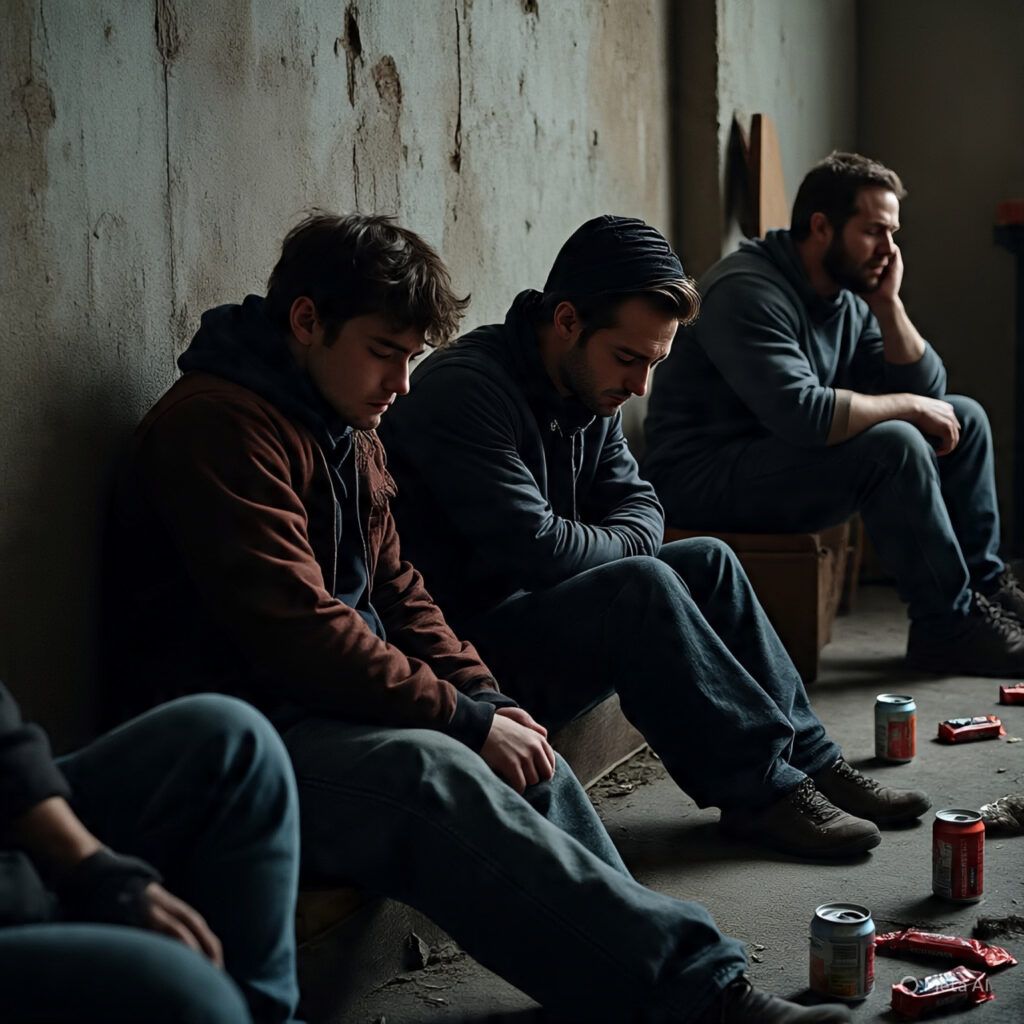
But someone must protect them.
Mental health professionals describe this reality as hidden exhaustion. It develops when care flows outward for too long with little return inward. Over time, the body absorbs the cost. Irritability increases. Motivation drops. Joy fades. Rest no longer restores.
The issue is not capability.
The issue is accumulation.
Many high achievers were taught that endurance is proof of maturity. If they are still functioning, they believe they must still be fine. Yet internal pressure rarely disappears on its own. It settles quietly into muscles, sleep patterns, communication, and decision-making.
As Brené Brown has written, “We don’t have to do all of it alone. We were never meant to.”
For someone who has been strong for everyone else, that sentence can feel life changing.
In environments where permission is granted to speak honestly, remarkable moments happen. The leader admits uncertainty. The parent confesses fear. The helper acknowledges burnout. Words create openings where isolation once ruled.
Healing rarely begins loudly.
Often, it starts softly.
I am tired.
Communities that normalize emotional truth build healthier foundations. Families grow closer. Faith spaces become more compassionate. Workplaces develop empathy. Young people learn that asking for support is wisdom, not weakness.
Maya Angelou reminded us that people may forget speeches but never forget how they were made to feel. Many remember the day someone finally cared about their wellbeing, not just their productivity.
Being strong should never require disappearing emotionally.
Real resilience grows where care is shared.
What You Can Do Starting Today
If you recognize yourself in this story, begin here.
- Tell the truth about your capacity.
You can love people deeply and still admit you are overwhelmed. - Treat rest as responsibility.
Maintenance prevents collapse. - Invite support before you reach crisis.
Help works best early. - Stop competing in silent suffering.
You are allowed to need care. - Become the voice you are waiting to hear.
Ask someone else how they are really doing.
Small adjustments can restore stability.
Strong people deserve covering too.
Written by Dr. David Rex Orgen, Best-Selling Author and International Mental Health Expert