


How Abuse Extends Beyond the Home
Abuse does not remain confined to where it begins. It often starts in private spaces, behind closed doors, within families that may appear stable from the outside. Yet over time, its effects move far beyond those walls. It shapes how people think, how they relate to others, and how they respond to the world around them.
To understand this, consider the story of Daniel.
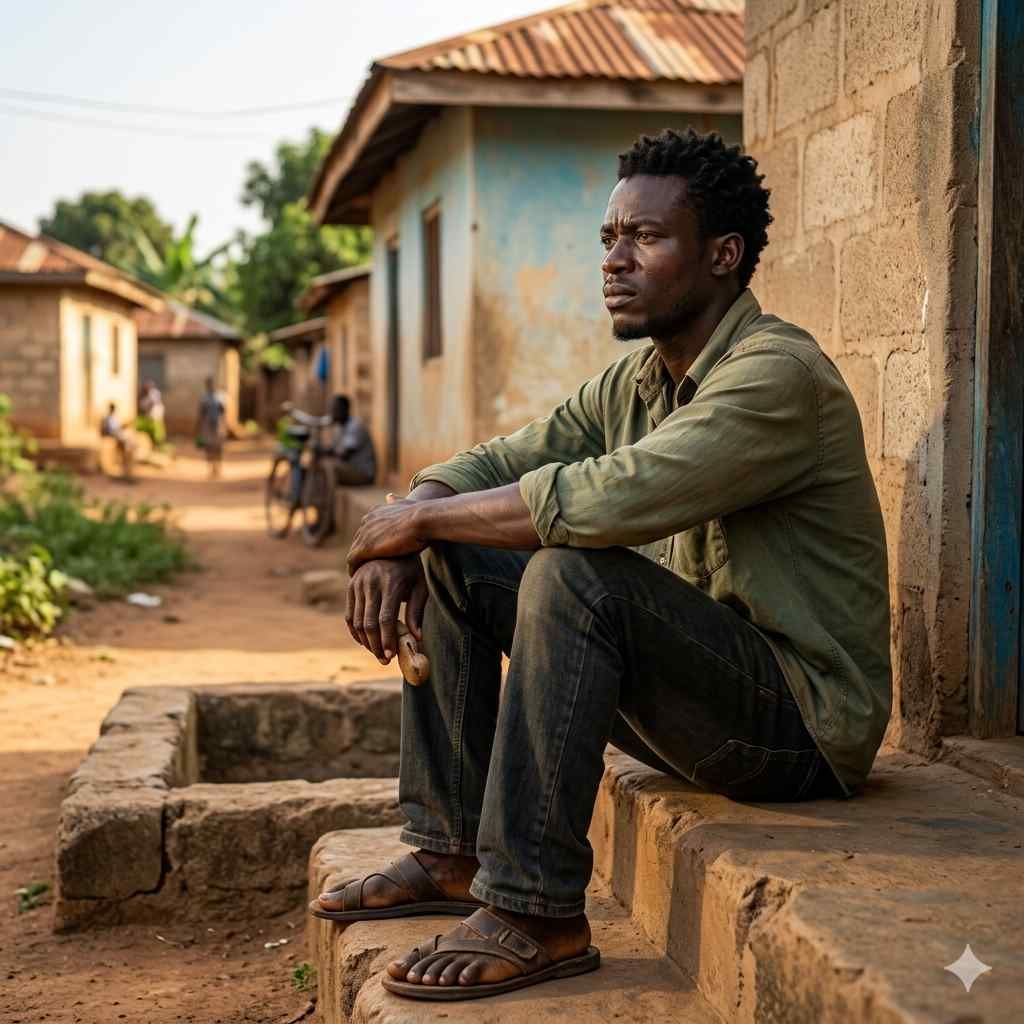
Daniel grew up in a small household on the outskirts of Kampala, Uganda. From an outside view, his family looked ordinary. His father worked hard. His mother managed the home. They greeted neighbors warmly and took part in community life. Nothing about their appearance suggested distress.
But inside the home, the environment was different.
Mistakes were not treated as opportunities to learn. They were met with harsh reactions. A broken plate could lead to shouting. Poor academic performance could result in severe punishment. Silence often filled the house, not as a sign of peace, but as a strategy for survival. Everyone learned to stay quiet, to avoid triggering conflict.
As a child, Daniel adapted in the only way he knew how.
He became highly alert. He paid close attention to tone, movement, and mood. He learned to predict reactions before they happened. He stopped asking questions. He avoided expressing emotions. What appeared from the outside as discipline was, in reality, fear shaping his behavior.
These patterns did not disappear as he grew older.
When Daniel eventually left home, he entered new environments carrying the same internal responses. In school, he struggled to concentrate. His mind remained on high alert, even in safe spaces. In friendships, he found it difficult to trust. He held back emotionally, unsure how to feel secure with others.
During stressful situations, his reactions became intense. Anger surfaced quickly. At times, he withdrew completely. These responses were not random. They were learned patterns, developed over years of living in a tense environment.
From a psychological perspective, repeated exposure to emotional or physical harm trains the brain to remain in survival mode. The nervous system becomes used to constant alertness. Even when the danger is no longer present, the body continues to respond as if it is.
This affects more than emotions. It influences decision making, relationships, and overall mental health.
Over time, the impact can extend further.
Some individuals internalize their pain. They become withdrawn, anxious, or disconnected. Others externalize it. They may become reactive, controlling, or aggressive. These behaviors are often misunderstood. They are seen as character flaws, rather than responses to unresolved experiences.
This is how cycles begin.
Experiences in the home shape individuals. Individuals influence their environments. Over time, these patterns appear in schools, workplaces, relationships, and leadership spaces. What is not addressed privately often becomes visible publicly.
Communities begin to reflect the emotional health of the individuals within them.
This is why early awareness matters.
Addressing harmful patterns within the home is not only about protecting one individual. It is about shaping healthier families and stronger communities. It is about preventing the silent transfer of pain from one generation to the next.
There is also a path toward change.
Healing often begins with awareness. Recognizing that certain behaviors are learned responses creates space for growth. When individuals begin to understand their patterns, they can start to change them.
Support plays a key role in this process.
Safe conversations allow individuals to express what they have carried silently. Professional guidance helps to unpack deep-rooted patterns and replace them with healthier responses. Over time, the mind and body can learn a new way of functioning.
For parents and caregivers, this awareness is essential.
Discipline should guide, not harm. Communication should build, not break. Children need emotional safety alongside structure. The way they are treated today shapes how they will relate to others in the future.
For those who have experienced environments like Daniel’s, it is important to understand that the past influences behavior, but it does not define identity. Patterns can be changed. Responses can be relearned. Healing is possible with the right support and intention.
For communities, the responsibility is shared.
Silence allows harmful patterns to continue. Awareness, conversation, and action create opportunities for change. When individuals, families, and organizations take mental and emotional health seriously, the impact reaches far beyond one home.
Abuse may begin in one place, but it does not have to continue.
Breaking the cycle starts with one step. One conversation. One decision to do things differently.
If you are experiencing similar challenges, or if you are seeking guidance on how to support others, help is available.
Contact:
InspireMind Global
Dr. David Rex Orgen
Mental Health Expert | Counselor | Therapist | Marriage and Business Coach | Mental Health Ambassador
📞 614-753-3925
By Dr. David Rex Orgen, Best-Selling Author and International Mental Health Expert

Recent Posts

When Inheritance Divides the Family

What Leaving Home Teaches Us About Belonging

Your Next Purpose Begins After Retirement
Tags
+1 (614) 753-3925
info@inspiremindglobal.com
