

Education Must Turn African Potential Into Progress
Kwame left school early because his family could no longer afford the costs. He was bright, hardworking, and determined to build a better life. But as the years passed, he learned a painful truth: effort alone does not open every door.
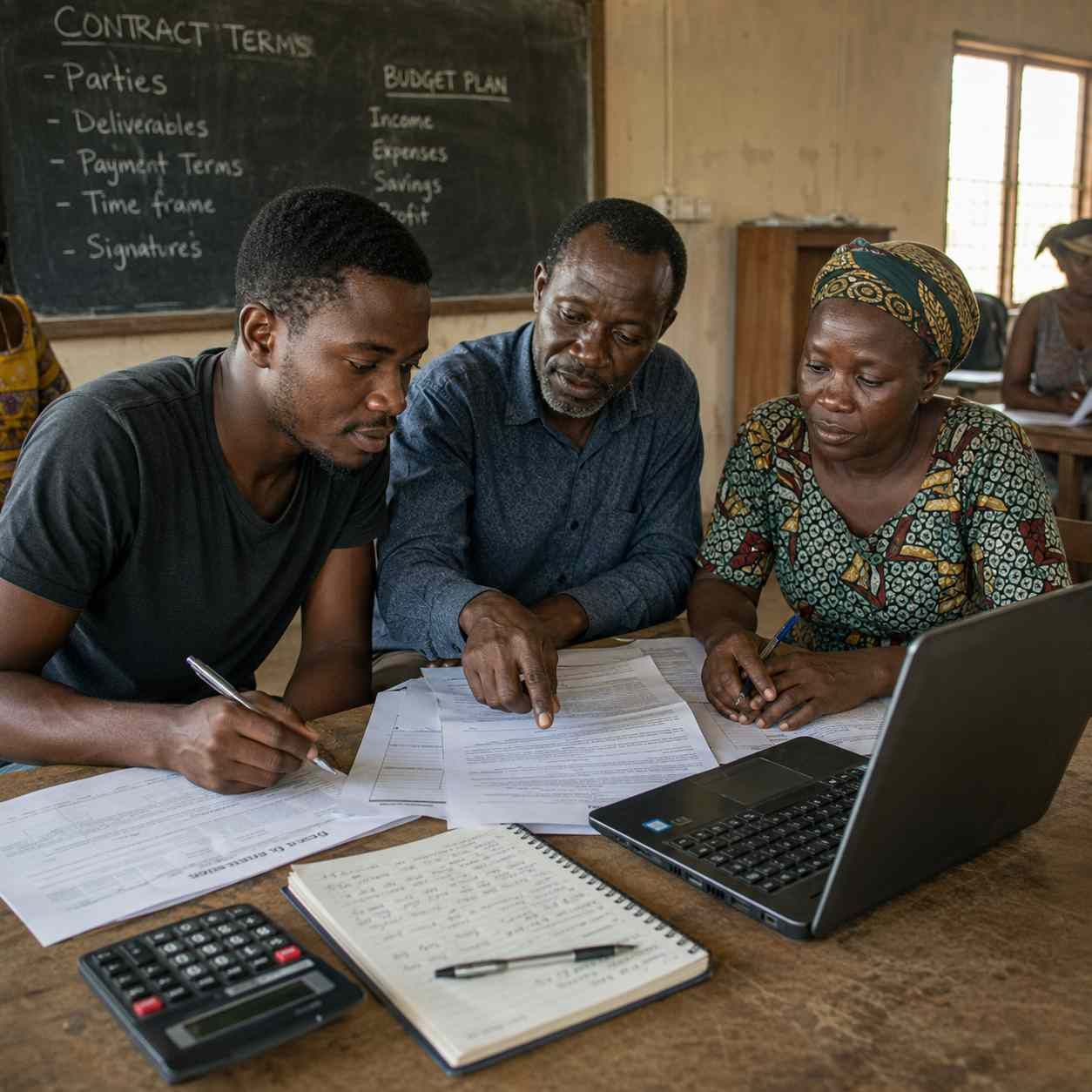
He struggled to understand business contracts, recognize dishonest financial schemes, use new technology, and compete for better opportunities. His problem was not a lack of intelligence. It was a lack of access to the knowledge and skills that could help him turn his ability into progress.
The Real Cost of Unequal Learning
Across Africa, millions of people carry intelligence, creativity, and potential that have never been fully developed. Some were denied education because of poverty, conflict, disability, cultural expectations, or weak public systems. Others went to school but left without practical literacy, critical thinking, employable skills, or confidence.
That distinction matters.
The real danger is not simply the absence of a university degree. Many successful Africans have built meaningful lives without one. The deeper problem is being unable to read critically, evaluate information, understand personal rights, manage money, use technology, or question those who try to manipulate others.
A certificate may help someone secure a position, but a trained mind helps a person navigate life.
When people lack meaningful education, they become more vulnerable to exploitation. They may sign agreements they do not understand, believe political promises without examining evidence, fall for financial fraud, or remain trapped in work that does not reward their potential.
The emotional impact can also be heavy. People who were denied educational opportunities may carry shame, low self-esteem, frustration, and the false belief that they are less intelligent than others. But lack of schooling does not mean lack of intelligence. More often, it reveals unequal opportunity, not personal failure.
Education Must Solve Real Problems
Africa also faces another challenge: some educated people have failed to use their learning to solve African problems. We have graduates who can repeat theories but struggle to create jobs, strengthen communities, or challenge broken systems.
Education must therefore become more than passing examinations. It should teach people to think independently, solve practical problems, communicate effectively, manage money, build enterprises, use technology responsibly, understand civic rights and responsibilities, and lead with character and integrity.
Families must value education for girls and boys equally. Governments must improve public schools, support teachers, expand vocational training, and make digital learning accessible. Communities must also stop treating skilled trades as inferior paths.
The uncomfortable truth is this: Africa does not suffer from a shortage of intelligence. It suffers when intelligence is left undeveloped, unsupported, or disconnected from opportunity.
Education alone will not end corruption, unemployment, or inequality. An educated person without character can misuse knowledge. But without education, millions remain excluded from the decisions, technologies, and opportunities shaping the future.
The goal should not simply be to produce more graduates. It should be to develop Africans who can think clearly, create solutions, build institutions, and serve their communities.
No African should feel useless because formal schooling was interrupted. Learning can continue through books, apprenticeships, vocational training, mentorship, online courses, and practical experience.
You may have missed a classroom, but you must never surrender your mind.
By Dr. David Rex Orgen, Best-Selling Author and International Mental Health Expert

Archives
Recent Posts
Sani’s Lagos Promise and the Weight of Family Hope
Leila’s Quiet Classroom: Intelligence Beyond Words

Wanjiku’s Nairobi Silence: Success Without Connection
Tags
+1 (614) 753-3925
info@inspiremindglobal.com