

Rebuilding Belonging After Retirement and Migration
When Joseph moved from Jamaica to live with his daughter in New Jersey, the family welcomed him with excitement. His grandchildren were delighted, his daughter prepared a comfortable room, and Joseph looked forward to spending more time with them.
The first few weeks were filled with outings and family meals. Then everyone returned to their usual routines.
His daughter went back to work, and the children returned to school. Joseph began spending long afternoons alone in a house that was comfortable but unfamiliar and unusually quiet.
When Gratitude and Loneliness Coexist
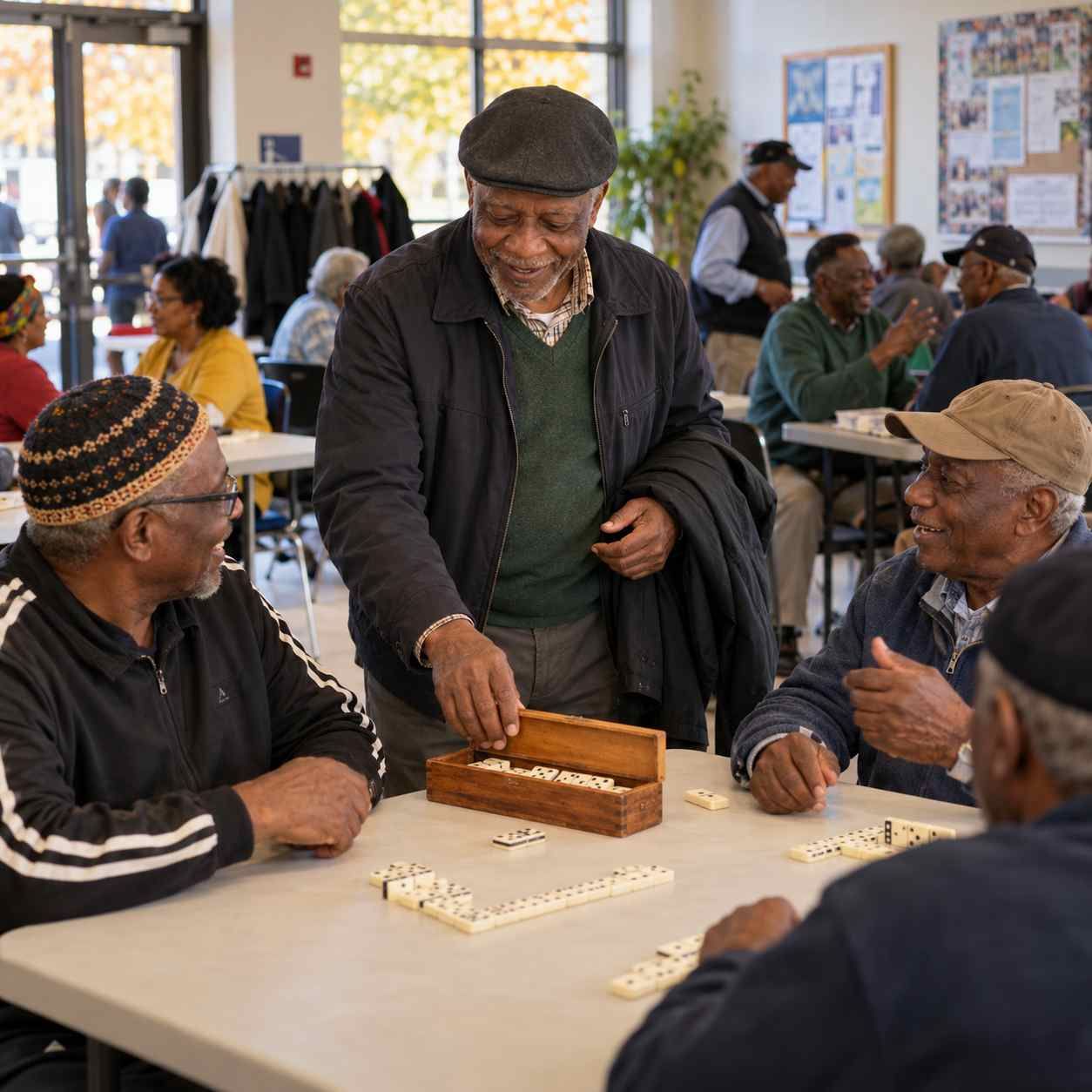
In Jamaica, Joseph had helped organize activities at his community center. Neighbors often stopped to ask for his advice, and friends invited him to play dominoes on Saturday afternoons.
In New Jersey, Saturdays became a reminder of everything he had left behind.
When his daughter asked whether he was enjoying his new life, Joseph told her he was grateful. He meant it. But gratitude could not erase his loneliness or replace the sense of purpose he once had.
One afternoon, his youngest grandson asked why he never seemed to have anywhere to go. Joseph laughed at the question, but it stayed with him.
Older adults who relocate to join family may gain valuable practical support while losing familiar friendships, routines, independence, and opportunities to contribute. Their relatives may be loving and attentive without fully recognizing the emotional weight of those losses.
Retirement can deepen the transition, especially when work once provided structure, recognition, and a sense of purpose.
Rebuilding a Life of His Own
Joseph’s daughter had assumed that a comfortable home would be enough. After an honest conversation, she realized that her father needed more than entertainment and family company. He wanted meaningful relationships and a reason to leave the house.
Together, they explored local activities, considered transportation options, and visited a community center with programs for older adults.
Joseph also contacted a nearby Caribbean community group. He felt nervous before attending his first gathering, but a familiar conversation about cricket helped him settle in.
Gradually, Joseph created a routine of his own. He remained involved in his grandchildren’s lives, but his days no longer depended entirely on everyone else’s schedules.
Supporting Older Adults Through Change
Families can begin by asking older relatives what made life meaningful before they moved. The answer might include volunteering, worship, cultural gatherings, sports, friendships, or work. These connections may need to take a different form after relocation, but they still matter.
Age does not eliminate the desire for independence, recognition, or contribution. Instead of planning every activity for an older relative, families should ask what that person would like to explore and support them in making their own choices.
Older adults may also need to approach connection as something that must be deliberately rebuilt after migration, retirement, or another major transition. If loneliness or emotional distress persists, professional support may be appropriate.
One Saturday, Joseph left home carrying a small wooden box of dominoes. His daughter did not ask whether he wanted company.
He already had somewhere to be.
A welcoming home is important, but genuine belonging also grows through friendship, independence, and opportunities to contribute.
By Dr. David Rex Orgen, Best-Selling Author and International Mental Health Expert

Archives
- October 2026
- September 2026
- August 2026
- July 2026
- June 2026
- May 2026
- April 2026
- March 2026
- February 2026
- January 2026
- December 2025
- November 2025
- October 2025
- September 2025
- August 2025
- July 2025
- June 2025
- May 2025
- April 2025
- March 2025
- February 2025
- January 2025
- December 2024
- November 2024
- October 2024
Recent Posts
Rebuilding Belonging After Retirement and Migration

When Every Call from Home Feels Like an Emergency

When Children Become the Family Interpreter
Tags
+1 (614) 753-3925
info@inspiremindglobal.com