

Ghana’s Drainage Problem Is More Than an Infrastructure Failure
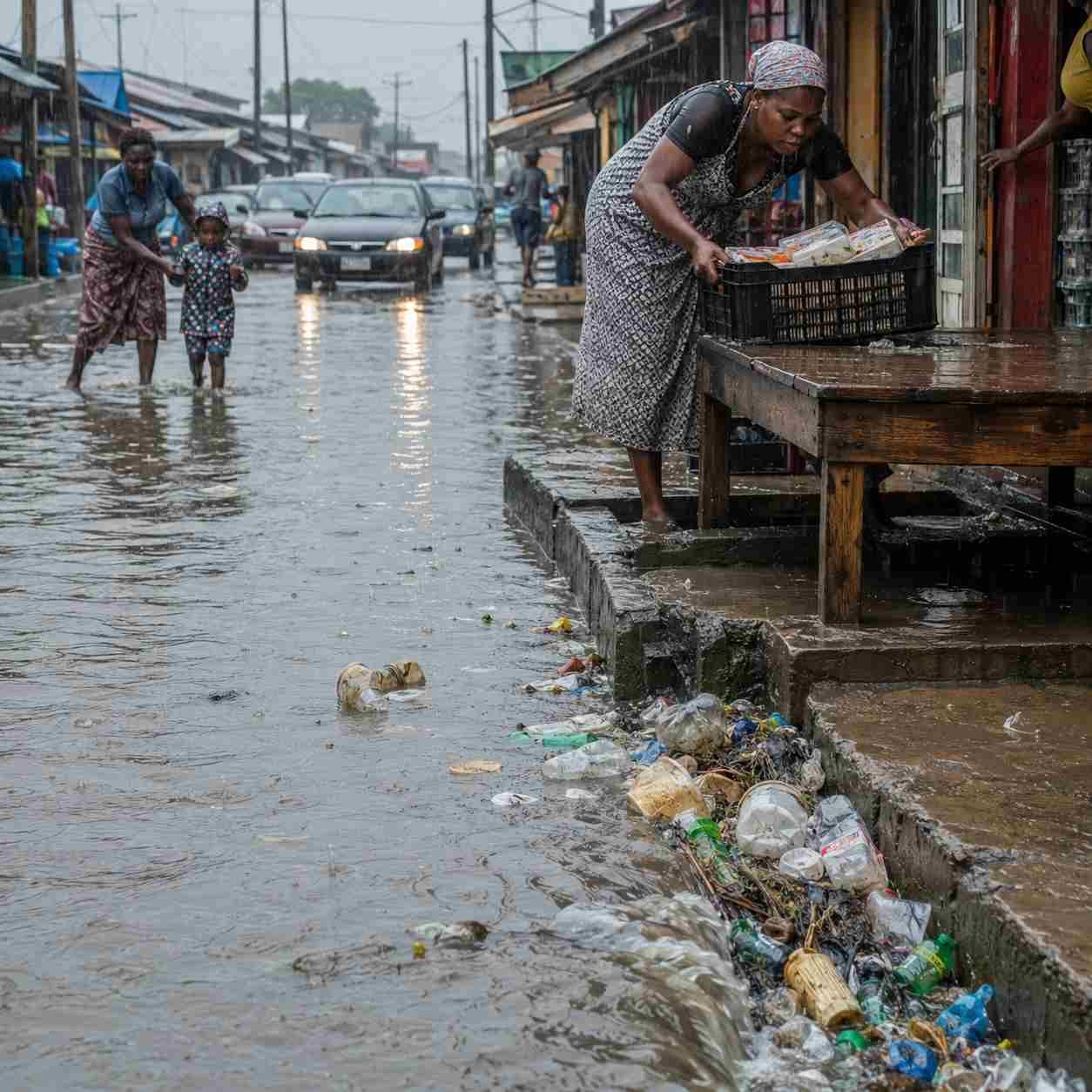
The rain may begin gently, but within minutes, streets can turn into rivers. Drivers struggle to move, traders rush to protect their goods, and families watch with fear as water moves closer to their homes.
For many Ghanaians, this is no longer a rare emergency. It has become a familiar experience during seasons of heavy rainfall.
The issue is not simply that Ghana receives too much rain. The deeper problem is that many communities are not prepared to manage the water when it comes.
Blocked drains, poor drainage systems, uncontrolled construction, plastic waste, and buildings placed along waterways have turned seasonal rainfall into a repeated threat. Every year, we express shock when communities flood, yet many of the conditions that cause the flooding remain unchanged.
Rainfall is natural, but many of our floods are made worse by human decisions and institutional neglect.
Prevention Is a Shared Responsibility
Government agencies have a duty to construct, expand, and maintain proper drainage systems. Local authorities must enforce building regulations and stop construction on waterways. Waste management institutions must ensure that refuse is collected before it enters drains.
But citizens also have a responsibility.
We cannot condemn flooding while throwing plastic bottles, food containers, and household waste into gutters. A blocked drain does not always begin with government failure. Sometimes it begins with one person treating the gutter as a convenient waste bin.
Flooding Affects Mental Wellbeing Too
The impact of flooding is not only physical or financial. Families who repeatedly lose property may experience anxiety, grief, sleeplessness, and fear whenever dark clouds gather. Children may begin to feel unsafe in their own homes. Traders who lose their goods may struggle emotionally and financially long after the water disappears.
Flooding is therefore not only an environmental problem. It is also a public health, economic, humanitarian, and mental wellbeing concern.
Ghana needs more than emergency responses after every disaster. We need prevention before the rain begins.
That means regular desilting and maintenance of drains, stronger enforcement against building on waterways, improved waste collection, public education, modern drainage planning for fast-growing communities, accountability for abandoned or poorly executed projects, and responsible behavior from every citizen.
The future of our communities cannot depend on annual prayers that the rain will be gentle. Prayer matters, but wisdom also requires preparation, planning, and responsible action.
Proverbs 22:3 reminds us, “The prudent see danger and take refuge, but the simple keep going and pay the penalty.”
The rain does not create every problem. Sometimes it reveals the problems we refused to address during the dry season.
Ghana must stop treating preventable flooding as a normal part of life. Leaders must act, institutions must become accountable, and citizens must change their habits.
Clean drains save property. Proper planning protects communities. Responsible leadership and responsible citizenship save lives.
By Dr. David Rex Orgen, Best-Selling Author and International Mental Health Expert

Archives
Recent Posts

Leila’s Quiet Classroom: Intelligence Beyond Words

Wanjiku’s Nairobi Silence: Success Without Connection

Chinedu’s Two Homes: When Distance Tests a Marriage
Tags
+1 (614) 753-3925
info@inspiremindglobal.com