

West Africa Needs Generational Transformation
“A generation that feels unheard will eventually search for another way to make its voice matter.”
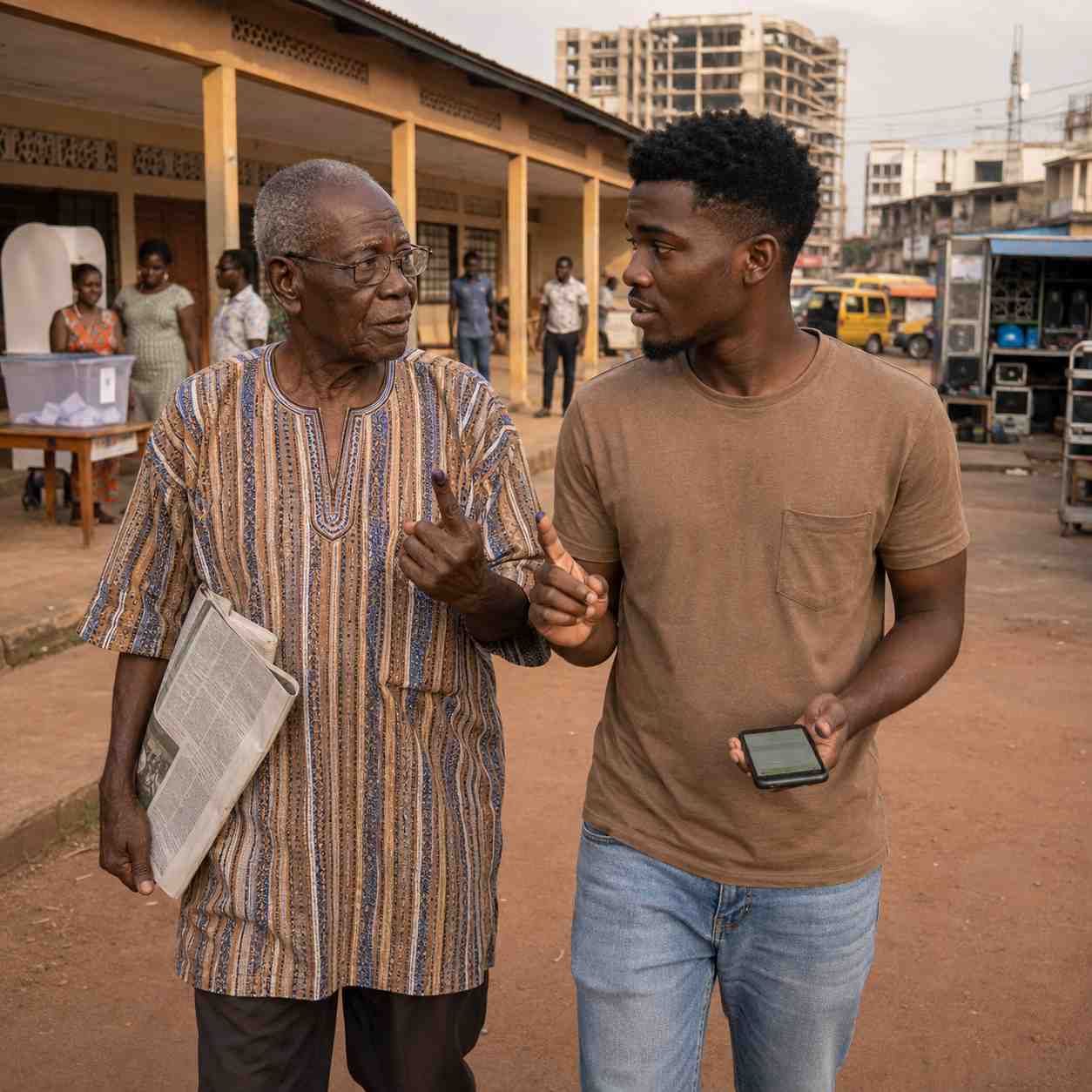
Imagine a young West African sitting with his grandfather during an election.
The grandfather remembers independence, military governments, democratic transitions, and leaders whose names have shaped politics for decades. His grandson is thinking about different concerns: jobs, housing, corruption, migration, technology, education, and whether his future will be better than his parents’ past.
Both love their country, but they see leadership through different eyes.
The Growing Generational Divide
Across West Africa, this tension is becoming increasingly visible. Bassirou Diomaye Faye won Senegal’s 2024 presidential election at age 44, becoming the youngest elected president in the country’s history. His message of change resonated strongly with younger citizens. In July 2026, at age 46, he assumed the chairmanship of the ECOWAS Authority of Heads of State and Government. Presidency of Senegal, ECOWAS
Yet generational change is not simply about replacing older politicians with younger ones. Youth does not automatically produce better leadership.
The deeper change is psychological.
Young people who repeatedly experience unemployment, inequality, corruption, insecurity, and political exclusion may develop frustration, distrust, and a weakening belief in public institutions. When citizens no longer believe established systems will respond to them, they begin searching for alternatives.
Those alternatives may include protests, new political movements, social media activism, or support for dramatic political change. Recent events across West Africa have revealed both the promise of democratic renewal and the dangers created when democratic institutions lose public confidence.
Leadership Must Change, Not Just Its Age
The important question is not: When will the young replace the old?
The real question is: What kind of leadership will the next generation create?
A younger leader can repeat old habits. An older leader can embrace meaningful reform. West Africa therefore needs more than generational replacement. It needs generational transformation.
That transformation requires leaders with integrity, institutions stronger than individual personalities, and political participation that continues beyond election seasons. It also requires young citizens who prepare themselves not only to criticize leadership but eventually to provide it.
If you are young, ask yourself: Am I only angry about the system, or am I preparing to improve it?
If you are an older leader, ask yourself: Am I creating space for another generation to lead?
West Africa’s future will not be decided by age alone. It will be shaped by whether one generation has the courage to prepare the next, and whether the next generation has the character to lead differently.
Share this conversation, especially with a young African, and return for the next article as we continue examining the psychological forces quietly shaping leadership, society, and Africa’s future.
By Dr. David Rex Orgen, Best-Selling Author and International Mental Health Expert

Recent Posts

West Africa Needs Generational Transformation

The Untold Story in the Family Bloodline

When Parental Favoritism Divides Siblings
Tags
+1 (614) 753-3925
info@inspiremindglobal.com