

When Fathers Make Room for Honest Conversations
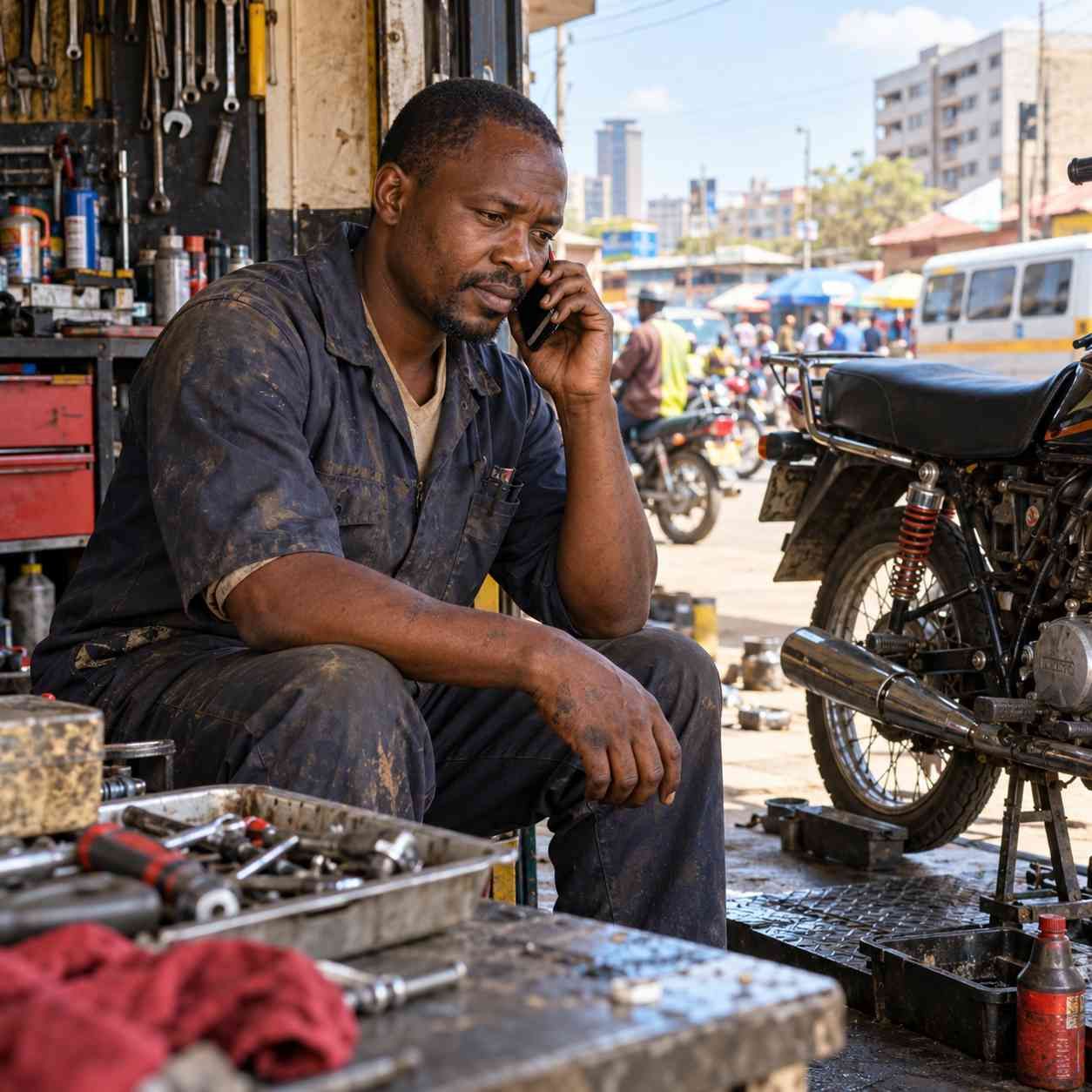
Samuel was repairing a customer’s motorcycle in Nairobi when a message appeared on his phone. It was from Brian, his sixteen-year-old son.
“Dad, do you ever get scared about the future?”
Samuel read the question twice. His first instinct was to reply, “Be strong. Everything will be fine.” Those were the kinds of words he had heard from men while growing up. They were usually spoken with love, but they rarely opened the door to a deeper conversation.
Before sending the message, Samuel remembered an argument from the previous evening. Brian had been unusually quiet, and Samuel had accused him of spending too much time worrying about his examinations instead of studying.
This time, Samuel deleted his response. During his lunch break, he called his son.
Listening Before Giving Advice
Brian admitted that he was afraid of disappointing his family. Some of his classmates seemed certain about their futures, while he was still trying to decide what he wanted to study. He believed his father expected him to have everything figured out already.
Samuel was silent for several seconds. He wanted to protect Brian from uncertainty, but he could not honestly promise that every decision would be easy.
Instead, Samuel told him about a period when his motorcycle repair business had nearly closed. He explained how worried he had been about supporting the family and how he had sought advice from an experienced mechanic and his wife.
Brian was surprised. He had never imagined that his father also experienced fear.
Many families teach children to be resilient without showing them what resilience looks like in everyday life. Young people may be told to work harder, stay confident or remain strong, yet never learn that uncertainty, disappointment and the need for support are normal parts of being human.
This becomes more difficult when adults treat emotional openness as weakness. However, listening to a child does not mean abandoning expectations or burdening the child with adult problems.
Turning Instructions Into Invitations
Samuel still encouraged Brian to prepare responsibly for his examinations. But he also asked which subjects interested him, what support he needed and whether the pressure at school was affecting his sleep or daily life. They agreed to continue the conversation after speaking with a teacher.
Parents and caregivers can create similar opportunities through small, consistent conversations. Open questions often help children express themselves more freely than immediate advice. Listening before correcting can also reveal concerns that might otherwise remain hidden.
Adults can share age-appropriate examples of how they have managed difficult situations, while making it clear that children are not responsible for solving adult problems. When emotional distress continues or begins to interfere with everyday functioning, families can seek appropriate professional guidance. Supportive conversations at home and professional care can work together.
That evening, Samuel received another message from Brian.
“Thank you for calling, Dad.”
The motorcycle had been repaired, and the workday was over. Yet Samuel understood that the most important repair he had attempted that afternoon began with a conversation.
Sometimes strength begins when a father changes his answer from an instruction into an invitation to talk.
By Dr. David Rex Orgen, Best-Selling Author and International Mental Health Expert

Archives
- October 2026
- September 2026
- August 2026
- July 2026
- June 2026
- May 2026
- April 2026
- March 2026
- February 2026
- January 2026
- December 2025
- November 2025
- October 2025
- September 2025
- August 2025
- July 2025
- June 2025
- May 2025
- April 2025
- March 2025
- February 2025
- January 2025
- December 2024
- November 2024
- October 2024
Recent Posts

When Fathers Make Room for Honest Conversations

Belonging Shouldn’t Cost You Your Boundaries

Asking for Help Is Part of Learning
Tags
+1 (614) 753-3925
info@inspiremindglobal.com