

Jose’s Knock at the Door: Living With Uncertainty
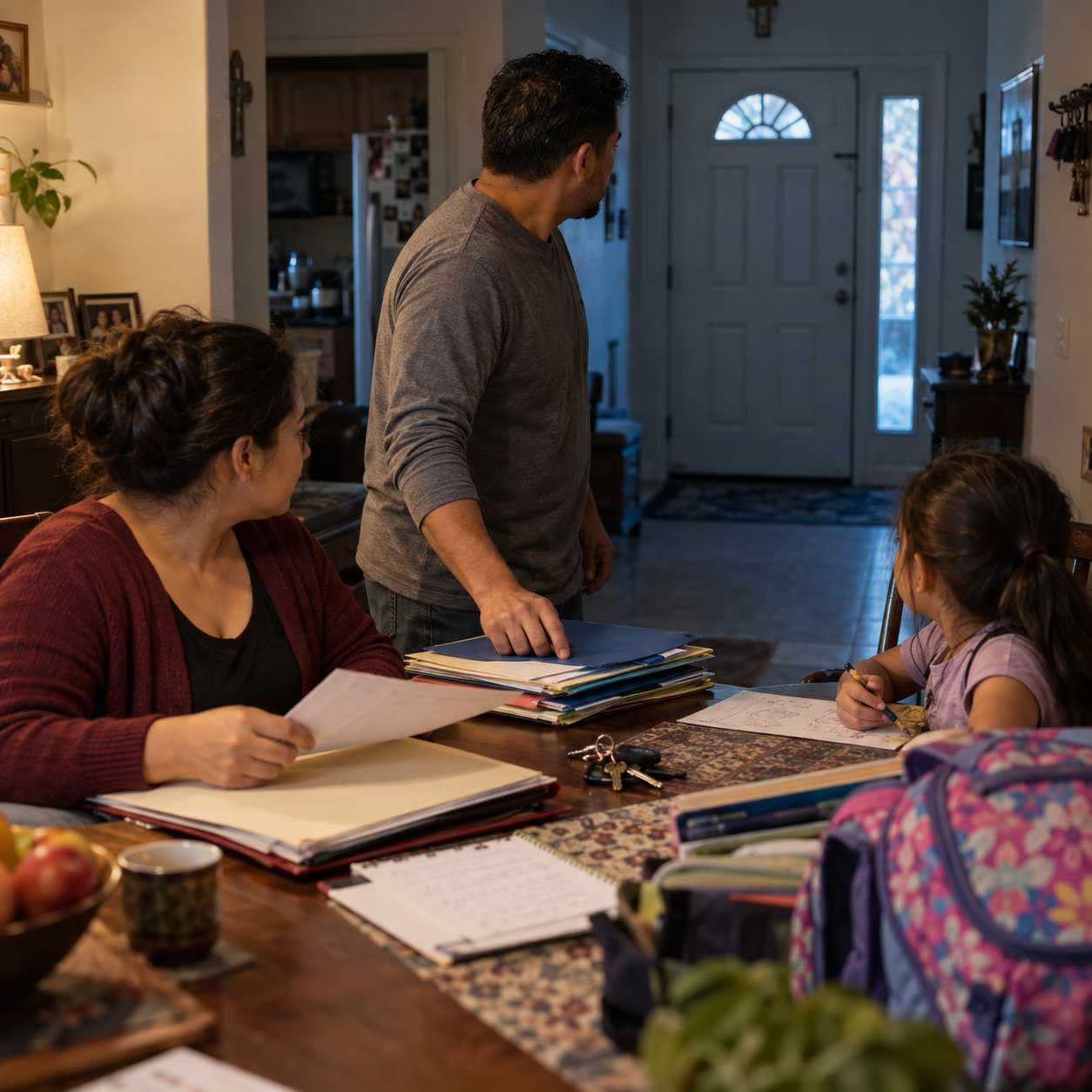
Jose had lived in Houston for nine years. He knew the route to work, the cashier at his neighborhood store, and the unmistakable sound of his daughter laughing freely.
He paid his rent, worked long hours, and rarely missed a school event. Yet every unexpected knock at the door made his chest tighten.
Jose’s immigration situation remained unresolved. He avoided driving whenever possible and felt afraid when a police car appeared behind him, even when he had done nothing wrong. At work, he tolerated unsafe conditions because he feared that speaking up might expose him. When he became ill, he delayed seeking medical care.
One day, his daughter noticed him checking the window before opening the door.
“Papa, who are you afraid of?” she asked.
“No one,” he replied.
But fear had already become part of the household.
When the Body Remains on Alert
Prolonged uncertainty can keep the body in a constant state of vigilance. Sleep becomes lighter, ordinary sounds feel threatening, and planning for the future becomes difficult. A person may grow irritable, withdrawn, or preoccupied with the next possible emergency.
These fears are not always irrational. Immigration systems and enforcement realities can carry serious consequences. However, secrecy and isolation often make the emotional burden even heavier.
For years, Jose relied on rumors. One friend warned him never to speak to anyone. Another claimed that money could guarantee a solution. The conflicting advice increased his fear and left him unsure whom to trust.
Replacing Rumors With Reliable Guidance
A community organization eventually connected Jose with a qualified immigration attorney. The consultation did not provide an instant solution, but it gave him something he had been missing: accurate information.
Jose learned which documents to preserve, which options might apply to his circumstances, and how to recognize common scams. He and his wife also created a family preparedness plan. They identified trusted contacts, organized emergency information, and established clear instructions concerning their daughter.
The plan did not remove the uncertainty, but it reduced their sense of helplessness.
Jose also began meeting with a counselor who understood immigrant stress. He learned breathing and grounding techniques for moments when fear became overwhelming. More importantly, he finally had a place where he did not need to pretend that everything was fine.
Finding Support Without Ignoring Reality
Anyone living with immigration uncertainty should seek dependable legal guidance from a qualified professional or reputable nonprofit organization. Life-changing decisions should not be based solely on social media posts, community rumors, or promises from people demanding money for guaranteed results.
Mental wellbeing also deserves protection. Fear becomes harder to manage when it is carried alone.
Those supporting immigrant families should understand that repeated anxiety may not reflect weakness or distrust. It may be the body’s response to years of instability and uncertainty.
Jose’s story reminds us that it is difficult to feel at home when safety always seems temporary. Courage does not require pretending to be unafraid. Sometimes courage means replacing secrecy with trustworthy information, supportive relationships, and a practical plan.
If Jose’s experience reminds you of someone you know, share his story carefully and without revealing their private circumstances.
By Dr. David Rex Orgen, Best-Selling Author and International Mental Health Expert

Archives
Recent Posts

Jose’s Knock at the Door: Living With Uncertainty

Sani’s Lagos Promise and the Weight of Family Hope

Leila’s Quiet Classroom: Intelligence Beyond Words
Tags
+1 (614) 753-3925
info@inspiremindglobal.com