

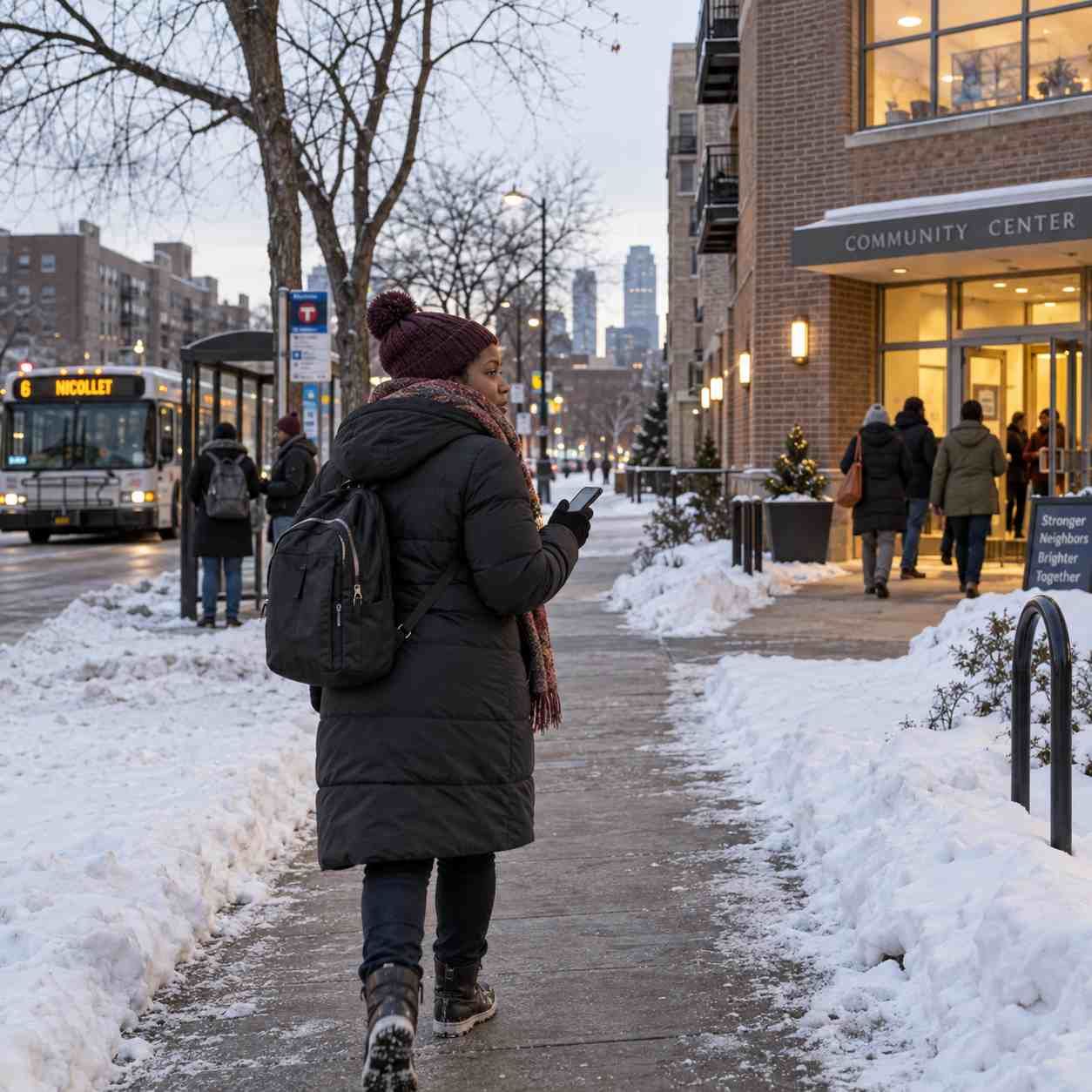
When Winter Deepens the Loneliness of Migration
Njeri arrived in Minneapolis from Nairobi in August. Summer made the city feel welcoming. People walked around the lakes, neighbors greeted one another, and daylight seemed to stretch late into the evening.
Then winter arrived.
The cold was unlike anything Njeri had experienced. Darkness fell before she finished work, and her days narrowed into a repetitive journey from her apartment to the bus, from the bus to work, and home again.
At first, she treated the season as an adventure. She bought a heavy coat and sent photographs of the snow to her family. By January, however, the photographs had stopped.
When Adjustment Becomes Isolation
Njeri began sleeping longer but still woke without energy. She declined invitations, lost her appetite, and spent weekends scrolling through photographs from home.
When her sister asked how life in America was treating her, Njeri replied, “Everything is good.”
She feared that admitting her sadness would make her sound ungrateful. After all, so many people had celebrated the opportunity she received.
Migration can change a person’s physical environment faster than the mind can adjust. An unfamiliar climate, limited sunlight, transportation difficulties, isolation, and disrupted routines can all affect emotional wellbeing.
Not every difficult winter experience is a mental health disorder. However, persistent changes in mood, sleep, energy, concentration, or interest deserve attention, especially when they begin interfering with daily life.
Njeri’s problem was not that she missed home. It was that she had begun treating withdrawal as her only response.
A Question That Opened the Door
A Kenyan colleague noticed that Njeri had stopped attending community gatherings and called her. Instead of telling her that she needed to go out more, she asked, “What has winter been doing to you?”
That compassionate question gave Njeri permission to speak honestly.
She started taking short walks during daylight when the weather was safe. She scheduled regular calls with her family instead of waiting until the loneliness became unbearable. She accepted invitations to a local community group and learned practical winter routines from people who had already experienced many difficult seasons.
Njeri also spoke with a healthcare professional about her symptoms rather than trying to diagnose herself.
The winter did not suddenly become warm, but she was no longer facing it without structure, companionship, or support.
Preparing for More Than the Weather
People moving to a different climate need to prepare emotionally as well as physically. Learn how the season may affect transportation, activity, social connection, and mood. Establish supportive routines before isolation begins to feel normal.
It is also important to check on newcomers after the welcome celebrations have ended. Their hardest period may begin months after arrival, when everyone assumes they have already settled.
Persistent sadness, hopelessness, severe anxiety, or loss of daily functioning should not be carried in silence. Seeking professional support is not weakness. Strength is not measured by how long someone can suffer alone.
Njeri’s story reminds us that adjustment has seasons. Sometimes, a person who appears to be settling comfortably into a new country is quietly disappearing inside an apartment.
If someone you know is experiencing their first difficult season away from home, reach out personally. A thoughtful question may open the door to connection and healing.
By Dr. David Rex Orgen, Best-Selling Author and International Mental Health Expert

Archives
Recent Posts

When Winter Deepens the Loneliness of Migration

Amina’s Education Opens a Family Conversation

Jose’s Knock at the Door: Living With Uncertainty
Tags
+1 (614) 753-3925
info@inspiremindglobal.com