

Thandi’s Foreignness Next Door
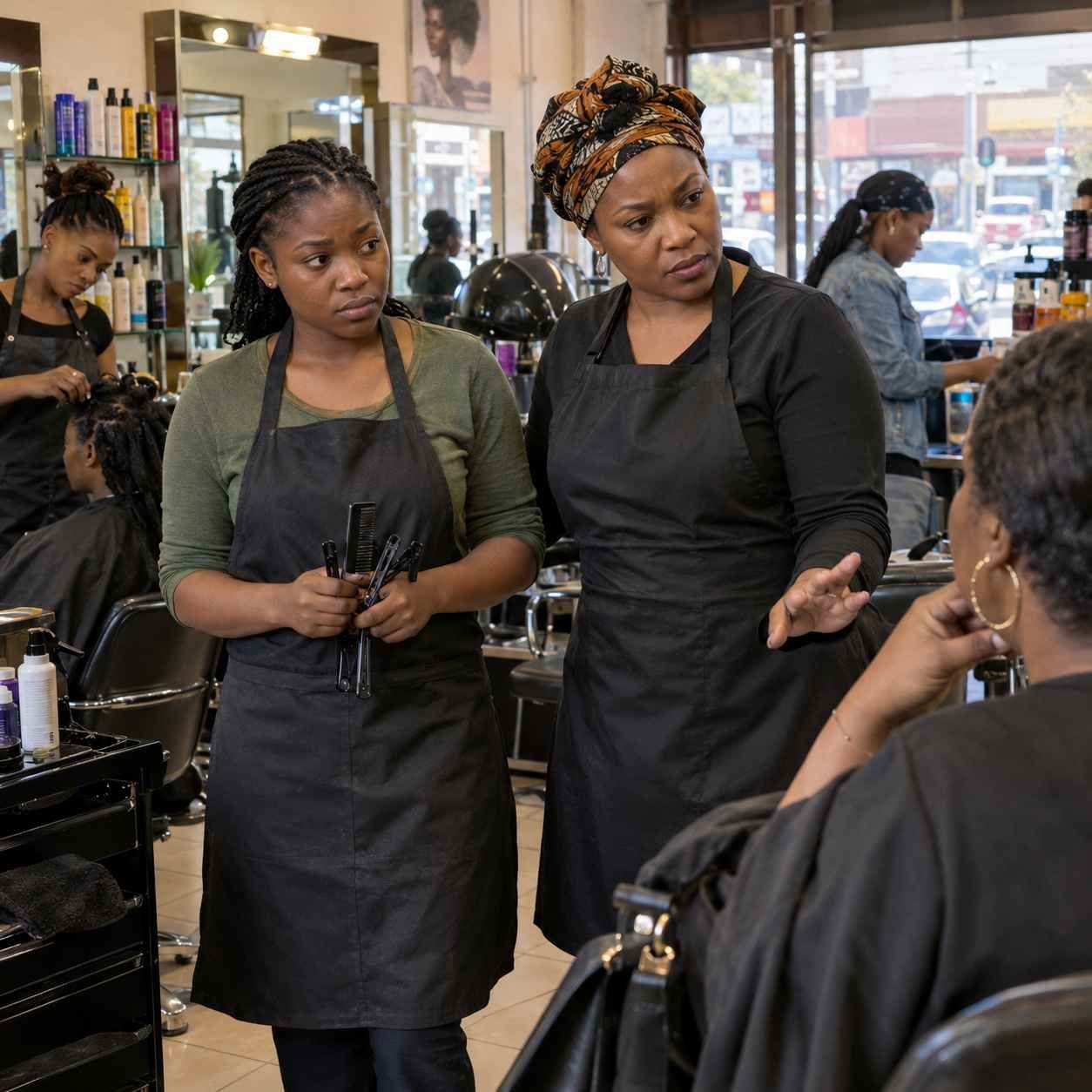
Thandi moved from Bulawayo to Johannesburg expecting the transition to be relatively easy. She was crossing into a neighboring country, understood much of the culture, had relatives nearby, and found work in a small beauty salon.
Yet she soon discovered that a short journey could still leave someone feeling far from home.
Customers often asked where she came from. Some were simply curious, but others responded differently when she said she was Zimbabwean. One woman joked that foreigners were taking local jobs. A landlord demanded additional money because Thandi did not have local documents. When tensions rose in the community, rumors spread quickly, and she stopped using public transportation after dark.
Thandi had expected financial challenges. She had not expected to feel so unwelcome in a place so close to home.
When Nearby Borders Still Divide
Migration within Africa can carry many of the same emotional difficulties as moving across an ocean. Countries may share borders and cultural traditions, but social acceptance can remain painfully distant.
Repeated hostility can gradually affect a person’s confidence, trust, and sense of safety. After enough harmful encounters, even an innocent question can feel threatening. A person may begin entering every conversation prepared for rejection.
Thandi started concealing her background. She changed the way she spoke and avoided being seen with other Zimbabweans in public because she feared attracting unwanted attention.
These choices helped her feel safer in the moment, but they also separated her from the people who might have understood and supported her. In trying to protect herself from hostility, she became increasingly isolated.
One Room Became Safer
Lerato, the salon owner, eventually noticed the change in Thandi.
Instead of dismissing her concerns, Lerato established a clear workplace boundary. Customers were free to raise legitimate concerns about the service they received, but insulting employees because of their nationality would not be tolerated.
That decision did not end xenophobia across the country. It did, however, make one workplace safer. It reminded Thandi that humiliation did not have to be accepted as normal.
Thandi later joined a local women’s cooperative that brought together South Africans and migrants from several countries. Working alongside one another did not erase their cultural differences or solve every disagreement. It created real relationships that allowed them to question inherited stereotypes and see one another as neighbors rather than threats.
Belonging Requires Deliberate Action
People who migrate within their own region should not minimize the difficulty of adjusting simply because they did not travel a great distance. Displacement, discrimination, fear, and loneliness are not measured in miles.
Finding a trustworthy community can reduce isolation. Migrants should also understand their rights and responsibilities, take credible threats seriously, and remain cautious without allowing fear to eliminate every opportunity for connection.
Host communities also have a responsibility. During periods of unemployment and financial strain, frustration can easily be redirected toward visible outsiders. However, a neighbor who is also struggling is not automatically the cause of that hardship.
Thandi’s experience shows that the opposite of xenophobia is more than passive tolerance. It is the deliberate creation of communities where a person’s dignity is not determined by birthplace.
Belonging can begin when someone decides that a workplace, room, or neighborhood will no longer treat humiliation as ordinary. One boundary may not solve a national problem, but it can protect a person, challenge prejudice, and give others the courage to act.
By Dr. David Rex Orgen, Best-Selling Author and International Mental Health Expert

Archives
Recent Posts

Celina’s Road After the Storm: Rebuilding Safety
Thandi’s Foreignness Next Door

When Fitting In at Work Starts to Erase You
Tags
+1 (614) 753-3925
info@inspiremindglobal.com