

Sani’s Lagos Promise and the Weight of Family Hope
When Sani left Kano for Lagos, his family gathered to pray for his success. As the first son and the household’s first university graduate, he carried more than his own ambitions.
“When you establish yourself, the younger ones will follow,” his father told him.
Sani accepted that responsibility with pride. He understood how much his family had sacrificed for his education and wanted his progress to create opportunities for everyone.
When Success Looks Different From Home
Life in Lagos did not unfold as Sani had imagined. Instead of securing a stable position, he found contract work with an income that changed from month to month.
The requests from home, however, remained constant. There were school fees, medical expenses, repairs, and family ceremonies to support.
Sani continued sending money, even when he had to borrow it. He feared that admitting his financial difficulties would make his family question whether their sacrifices had been worthwhile.
Before long, every phone call felt like another test of his value.
Family responsibility is deeply important across many African communities. The problem is not supporting loved ones. The danger begins when an entire household’s future is quietly placed on one person whose own foundation remains unstable.
The pressure gradually affected Sani’s wellbeing. He became irritable and stopped answering calls. His relatives interpreted his silence as pride, but Sani was exhausted.
The Conversation That Changed Everything
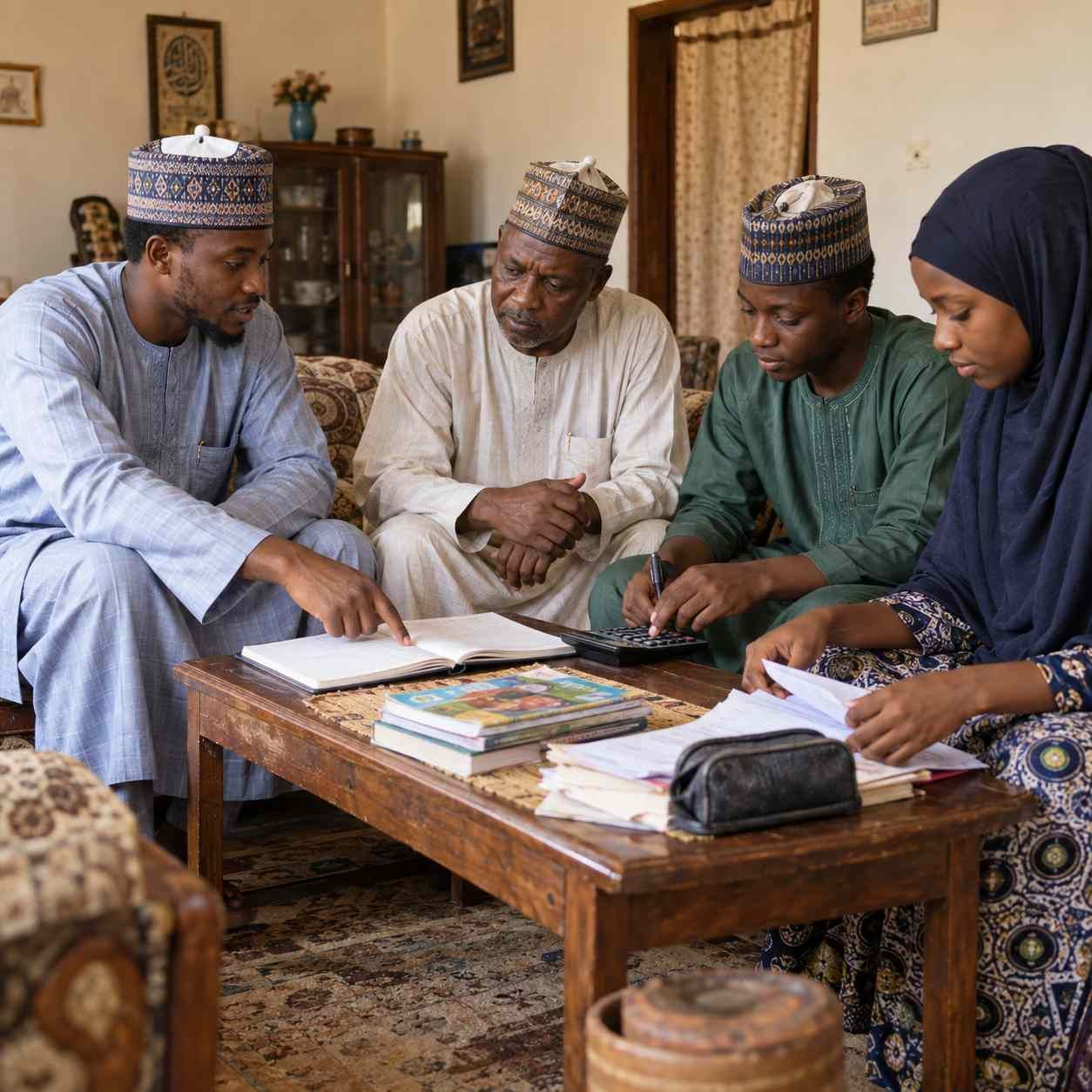
During a visit home, Sani finally told his family the truth. He explained his actual income, growing debt, and living expenses.
His relatives were surprised. They had assumed that living and working in Lagos meant he was financially secure.
Together, the family began separating urgent needs from requests that could wait. Sani’s siblings accepted responsibilities suited to their ages, while Sani established a monthly amount he could contribute without borrowing.
His father initially struggled with the change. He believed the eldest son’s progress belonged partly to the entire family. Sani did not reject that value. Instead, he helped his relatives understand the difference between shared responsibility and a system that sacrificed one person’s future to meet every immediate need.
Not everyone welcomed the new arrangement, but the family began replacing assumptions with honest planning.
Learning to Carry Responsibility Together
If you are the person everyone turns to, remember that support funded through hidden debt cannot continue forever. Explain your limits before frustration and resentment begin speaking for you.
If your household depends heavily on one successful relative, consider whether responsibility has become unfairly concentrated. Gratitude for someone’s progress should not become permanent entitlement to everything they earn.
Sani’s story shows that being considered the hope of a family can be both an honor and a burden. Love does not always require one person to carry everyone. Sometimes it means helping the entire family learn to carry responsibility together.
By Dr. David Rex Orgen, Best-Selling Author and International Mental Health Expert

Archives
Recent Posts

Sani’s Lagos Promise and the Weight of Family Hope

Leila’s Quiet Classroom: Intelligence Beyond Words

Wanjiku’s Nairobi Silence: Success Without Connection
Tags
+1 (614) 753-3925
info@inspiremindglobal.com