

Yaw’s Empty Lunch Table and the Need to Belong
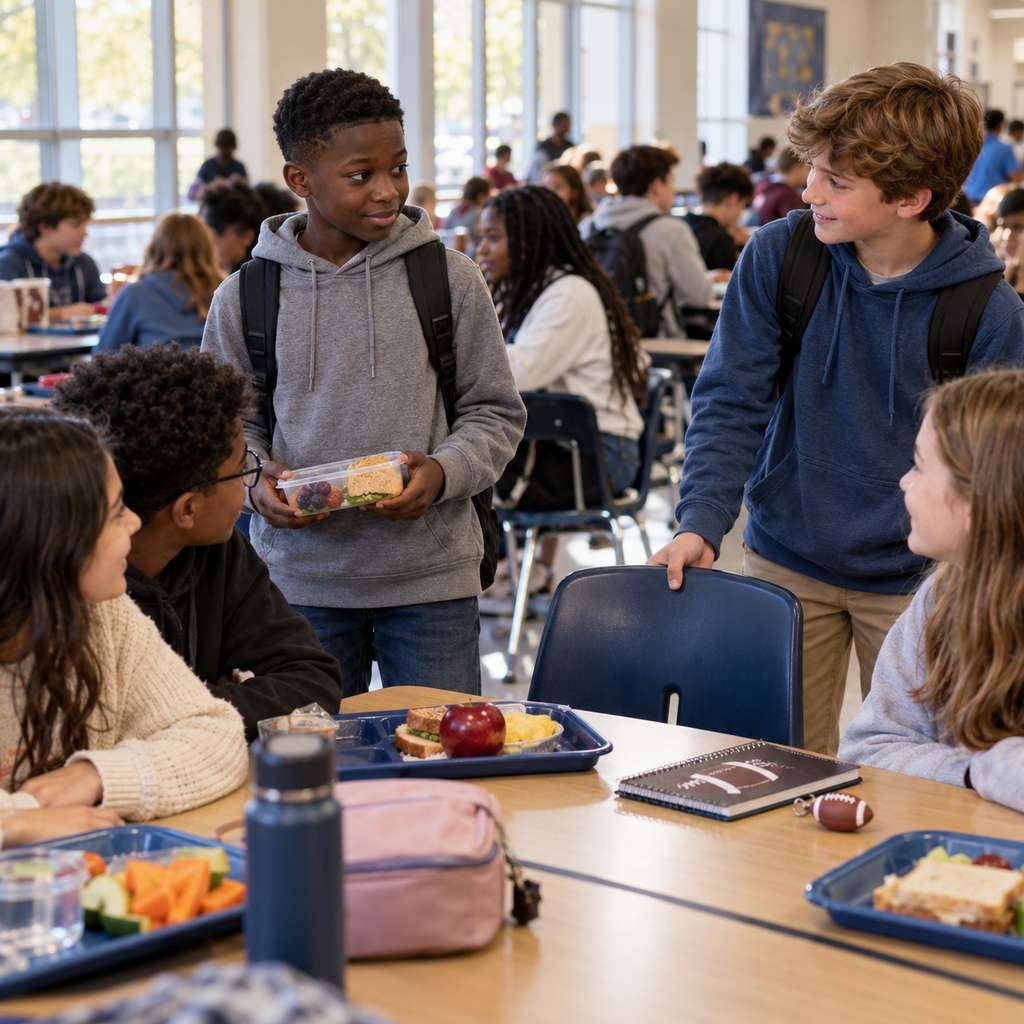
For the first few weeks at his new school, twelve-year-old Yaw ate lunch alone.
His family had recently moved from Ghana to the United States. His parents saw the move as the beginning of a promising new chapter. They believed their children would receive a strong education and benefit from opportunities the family had worked hard to provide.
Yaw wanted to share their excitement. Yet every afternoon, when the lunch bell rang, his confidence faded.
He struggled to follow his classmates’ jokes and worried that someone might imitate his accent. When other students discussed television programmes or childhood experiences he did not know, Yaw smiled quietly because he was unsure what to say.
Eventually, he began choosing an empty table. Sitting alone felt less painful than approaching a group and risking rejection.
When his mother asked about school, Yaw always said everything was fine. His grades remained satisfactory, so his parents assumed he was settling in well.
What Good Grades Can Hide
One Friday, Yaw returned home with most of his lunch untouched. His mother realised this had happened several times and gently asked him about it.
Yaw finally admitted that he had been eating alone because he did not know how to make friends.
His mother was surprised. She had focused so closely on his academic progress that she had not noticed how much he was struggling socially.
Migration changes more than a person’s address. For children, it can mean leaving behind trusted friends, familiar routines, extended family and the surroundings in which they once felt understood.
A child may appear to adjust quickly while privately dealing with loneliness, uncertainty or the fear of being different. Parents may mistake quietness for maturity, while teachers may assume that satisfactory grades mean a child is thriving in every area.
Academic performance and emotional wellbeing, however, are not the same.
Yaw’s mother contacted his teacher. She was not seeking special treatment for her son. She simply wanted to understand how he was participating and whether he felt connected to the other students.
The teacher introduced a classroom project that encouraged students to share their family traditions, personal interests and experiences. Through the activity, Yaw discovered that several classmates also had connections to other countries.
He later connected with a student who supported the same football team.
That friendship did not remove every challenge. Some days were still uncomfortable, but Yaw no longer had to face them entirely alone.
Small Invitations Can Make a Difference
When a child enters a new school or community, conversations at home should extend beyond examinations and homework. Parents can ask whom the child spends time with, what happens during breaks and whether there is someone at school they trust.
Teachers can also create natural opportunities for inclusion without placing unwanted attention on children who already feel different.
Classmates have a role as well. A simple invitation to join a table, participate in a conversation or share an activity may mean far more than the person offering it realises.
One afternoon, Yaw returned home with an empty lunch container and unexpected news.
“Mum, I made a friend.”
Sometimes, a child’s most important achievement has nothing to do with a classroom grade.
By Dr. David Rex Orgen, Best-Selling Author and International Mental Health Expert

Archives
- October 2026
- September 2026
- August 2026
- July 2026
- June 2026
- May 2026
- April 2026
- March 2026
- February 2026
- January 2026
- December 2025
- November 2025
- October 2025
- September 2025
- August 2025
- July 2025
- June 2025
- May 2025
- April 2025
- March 2025
- February 2025
- January 2025
- December 2024
- November 2024
- October 2024
Recent Posts

Yaw’s Empty Lunch Table and the Need to Belong

When an Apology Never Comes

Living Between Two Calendars
Tags
+1 (614) 753-3925
info@inspiremindglobal.com